
Microdermabrasion is a non-invasive mechanical exfoliation treatment that some people choose to address specific skin concerns. This guide provides educational information about the treatment. Individual results vary, and treatment suitability must be determined through consultation with a qualified registered practitioner.
* All figures are general estimates only. Individual results, session requirements, and recovery experience vary based on skin type, concern severity, and individual response. A consultation with a registered practitioner is required to determine suitability and develop an appropriate treatment plan.
The Treatment
What is Microdermabrasion?
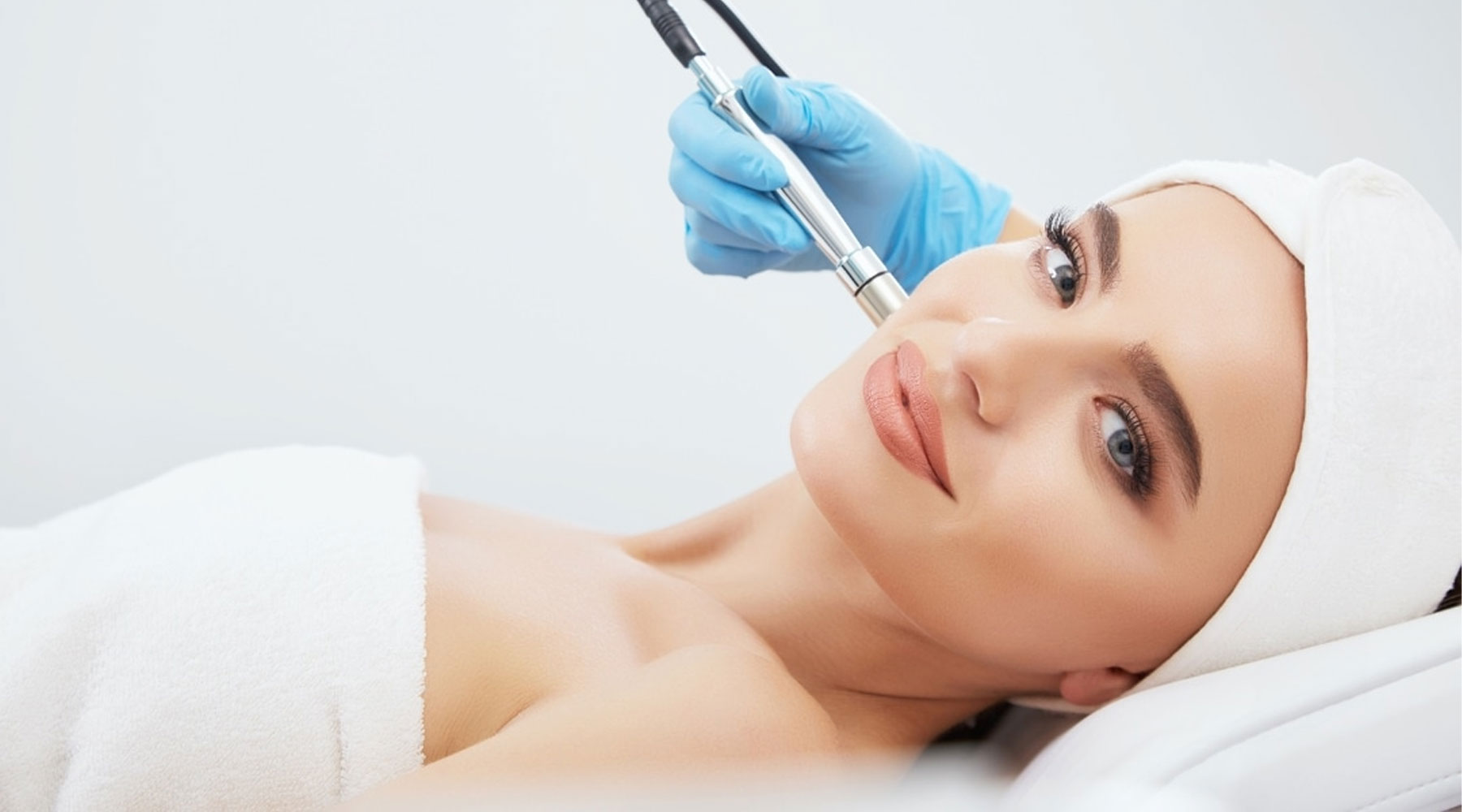
Microdermabrasion is a mechanical exfoliation treatment that removes the outermost layer of dead skin cells using fine crystals or a diamond-tipped wand. The procedure is intended to stimulate collagen production and cellular turnover, and some people choose it to address specific skin concerns including fine lines, sun damage, and uneven pigmentation. Results and suitability vary between individuals.
Unlike chemical peels or laser treatments, microdermabrasion relies on physical exfoliation. The treatment typically takes 30–45 minutes and recovery requirements are generally low for most patients — though individual experience will vary and your practitioner will advise you on what to expect based on your specific skin assessment.
The treatment works by physically buffing away the stratum corneum — the skin’s uppermost layer — triggering the body’s natural healing response to encourage new cell growth and improved texture.
Adelaide’s Skin Challenges
Adelaide’s Skin Environment: What to Consider
Adelaide residents experience specific environmental conditions that can influence skin health over time. High UV exposure and variable humidity levels are common factors that some individuals choose to address through professional skin treatments. Microdermabrasion is one option your practitioner may consider suitable, depending on your individual skin assessment and goals.
UV Exposure Considerations
South Australia has high UV levels year-round. Some people choose professional skin treatments as part of their broader approach to UV skin care, alongside sun protection measures.
Dry Climate Skin Care
Adelaide winters can contribute to skin dehydration. A registered practitioner can advise on whether professional treatments may complement your personal skin care routine.
Skin Texture Concerns
Some individuals seek professional exfoliation treatments for specific skin texture concerns. Your practitioner will assess whether microdermabrasion is appropriate for your skin type and goals.
Seasonal Skin Changes
Adelaide’s season changes can affect skin behaviour throughout the year. Treatment protocols can be adapted based on seasonal conditions — your practitioner will guide you on timing.
Clinical Protocol
How Treatments Deliver Results
Professional treatments follow a structured clinical protocol. Initial consultation involves skin analysis to determine appropriate intensity and treatment frequency, with registered practitioners assessing skin type, concern severity, and medical history.
What to Expect
Understanding Treatment Variables
Treatment intensity varies based on individual needs. Practitioners adjust crystal flow or wand pressure for each patient’s skin type and seasonal conditions.
Treatment Intensity
Fair-skinned Adelaide residents typically require gentler protocols due to increased sensitivity and higher sun damage risk.
Frequency
Initial series typically involve fortnightly sessions, transitioning to monthly maintenance once desired results are achieved.
Seasonal Timing
Many practitioners recommend scheduling intensive treatments during autumn and winter when Adelaide’s UV exposure is reduced.
Contraindications
Active acne, rosacea flares, and recent cosmetic procedures may require postponement. Honest disclosure during consultation ensures safe, appropriate care.
Treatment Options
Comparing Adelaide Skin Treatments
Treatment selection depends on your specific concerns, skin type, and lifestyle. Adelaide practitioners provide comparative consultations to determine the most appropriate approach for your circumstances.
Microdermabrasion
Mechanical exfoliation. Mid-range pricing. Generally low recovery requirements for most patients. Individual outcomes and suitability vary.
Chemical Peels
Acid-based cellular dissolution. Recovery requirements vary by peel depth. Suitability assessment by a registered practitioner is essential.
Laser Treatments
Targets deeper tissue layers using thermal energy. Addresses specific vascular and pigmentation concerns. Recovery requirements are generally greater.
Standard Facials
Superficial cleansing and hydration with generally lower recovery requirements. Treatment aims and outcomes differ from microdermabrasion.
Aftercare
Post-Treatment Care for Adelaide’s Climate
Adelaide’s high UV levels create elevated burn risk on freshly exfoliated skin. Following your practitioner’s specific aftercare protocol is critical to achieving the best outcomes and avoiding complications.
☀ Sun Protection
Broad-spectrum SPF 50+ must be applied every two hours outdoors. Non-negotiable following treatment.
⚙ Hydration
Gentle, fragrance-free moisturisers maintain barrier function. Adelaide’s dry climate increases water loss — this step is critical.
⚠ Activity Restrictions
Avoid swimming pools, saunas, and intensive exercise for 24–48 hours post-treatment. Chlorine and sweat can irritate compromised skin.
🚫 Avoid Active Ingredients
Avoid retinoids and acids for 3–5 days post-treatment. These compounds cause excessive irritation on sensitised tissue.
Common Questions
Frequently Asked Questions
How does microdermabrasion address Adelaide’s specific skin challenges?
Treatments are specifically adapted to address local environmental stressors. Adelaide’s elevated UV exposure creates accelerated photoaging and pigmentation concerns that require targeted exfoliation depth. Practitioners adjust crystal flow and wand pressure based on the level of sun damage observed during skin analysis.
The dry Adelaide climate compounds skin dehydration, leading to increased dead cell accumulation. Regular treatments remove this buildup, allowing hydrating products to penetrate effectively. During peak summer, practitioners often reduce treatment intensity and increase sun protection education to prevent complications.
What results can I expect from professional microdermabrasion treatments?
Some patients notice changes in skin texture within 24–48 hours following treatment. These initial observations stem from the mechanical exfoliation process and increased circulation. Individual experience will vary.
Over a treatment series: Some patients experience progressive changes over multiple sessions as collagen remodelling occurs. The number of sessions required and results achieved vary between individuals — your practitioner will advise based on your specific assessment.
Individual results are not guaranteed. Outcomes experienced by one person do not necessarily reflect what others may experience.
Maintenance treatment schedules, if appropriate, will be recommended by your practitioner based on your individual goals and skin response.
Is microdermabrasion suitable for sensitive or sun-damaged Adelaide skin?
Treatment protocols can be adapted for sensitive skin types common in Adelaide’s fair-skinned population. Practitioners reduce treatment intensity and conduct patch testing before proceeding with full facial protocols.
Sun-damaged skin often responds favourably to microdermabrasion when appropriate depth is selected. Superficial treatments address surface texture without overwhelming compromised tissue. Multiple gentle sessions deliver better outcomes than aggressive single treatments. Adelaide practitioners possess specific experience with sun-damaged Australian skin, ensuring protocols align with regional skin characteristics.
Your Provider
Choosing Your Microdermabrasion Practitioner
Qualifications matter when selecting a practitioner. Registered nurses with aesthetic training understand skin physiology and can identify potential complications. Verify registration status through AHPRA before proceeding.
Verify AHPRA registration — Registered nurses with aesthetic training understand skin physiology and can identify potential complications.
Assess consultation quality — Thorough skin analysis, detailed medical history review, and realistic outcome discussions demonstrate professional standards.
Inspect the clinical environment — Proper hygiene protocols, appropriate equipment maintenance, and emergency preparedness are non-negotiable for safe treatment.
Research reviews and outcomes — Read verified reviews and request before-and-after documentation before committing to treatment.
Important Regulatory Information
All cosmetic procedures carry risk. Individual results vary based on skin type, concern severity, and individual response to treatment. Outcomes described in this content are not guaranteed and do not necessarily reflect results that other patients may experience. This information is educational and does not replace professional medical consultation. Treatment suitability must be determined through individual assessment by a qualified registered practitioner. This procedure may cause side effects or complications; your practitioner will discuss these with you at consultation.
Practitioner: Suzie Bannon, RN (NMW0000965450) — Registered Nurse (Division 1), Midwife, and Cosmetic Nurse with over 30 years of experience. Aesthetic Nurse Suzie clinic, Adelaide SA.