Skin & Wellbeing
Excessive sweating is common, and it can be more than an inconvenience. Here is what causes it, when to see a GP and how clinic options work.
Everyone sweats. It is how the body cools down. However, some people sweat far more than they need to, even on cool days or at rest. For them, excessive sweating can affect work, clothing choices, handshakes and how people feel day to day.
This guide explains what excessive sweating is, when to see a doctor, what you can try at home and how clinic options work. It is general information for adults. Suzie Bannon is a Registered Nurse (Division 1), AHPRA No. NMW0000965450.
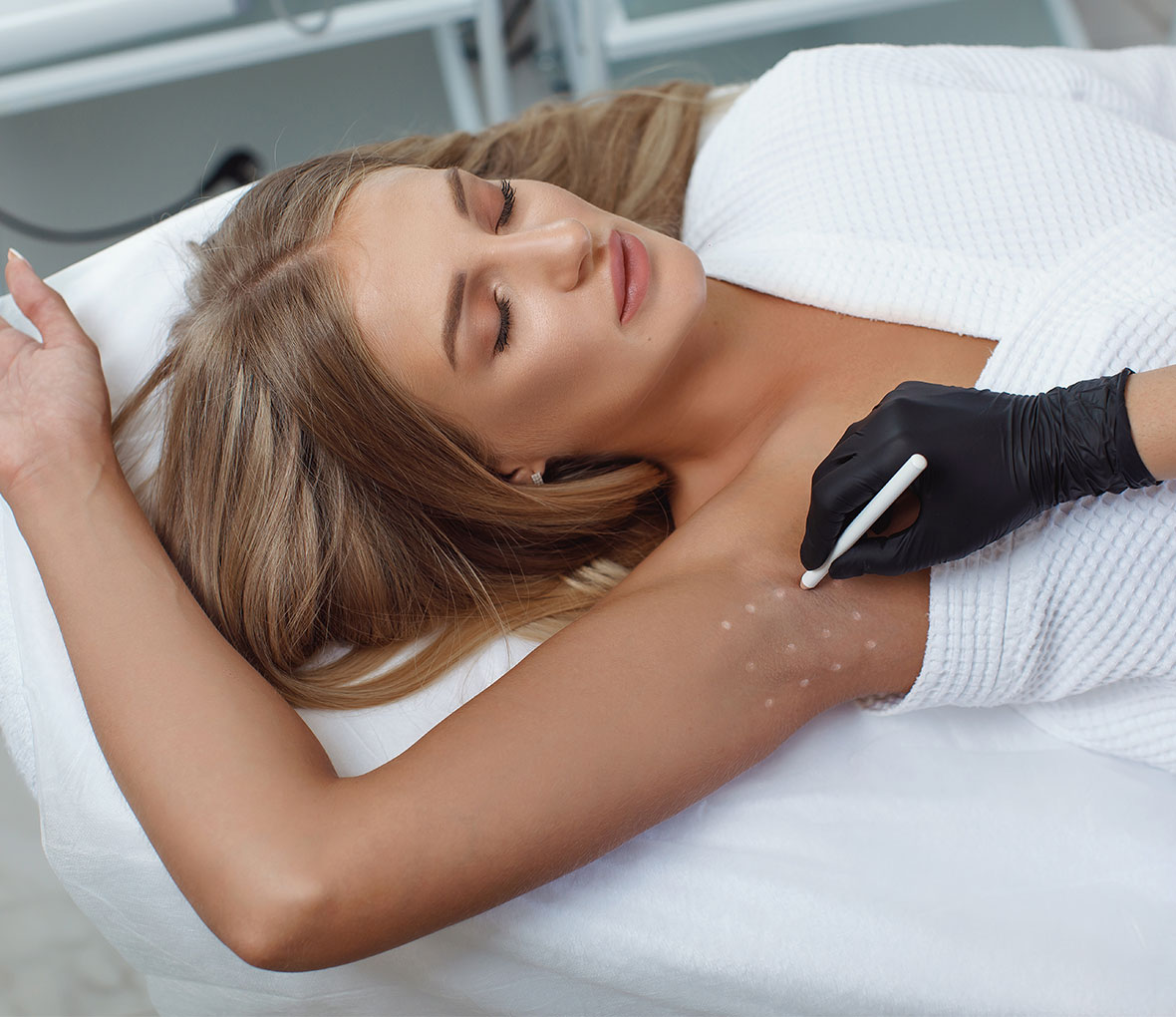
What Is Excessive Sweating?
The medical name for excessive sweating is hyperhidrosis. There are two broad types. Primary hyperhidrosis usually affects specific areas, such as the underarms, palms, soles or face. It often starts in childhood or the teenage years, and it can run in families.
Secondary hyperhidrosis is different. Here, another condition or a medicine causes the sweating. It is more likely to affect the whole body or happen at night. For this reason, a GP review matters before anything else.
For more background, see healthdirect’s guide to excessive sweating.
If sweating is new, happens mostly at night or comes with other symptoms, start with your GP.
When to See Your GP
Some patterns need medical advice first. For example, see your GP if sweating:
- starts suddenly or changes noticeably;
- happens mainly at night;
- affects your whole body rather than one area;
- comes with weight loss, fever, a racing heart or feeling unwell.
Your GP can check for causes such as hormonal changes, infections or medicine side effects. They can also discuss treatment options and referrals.
Everyday Ways to Manage Excessive Sweating
Small changes can help some people sweat less. Results vary, but these are worth trying:
- Apply antiperspirant at night to clean, dry skin, so it has time to work.
- Choose loose, breathable fabrics, and carry a spare top if you need one.
- Notice triggers, such as heat, spicy food, alcohol or caffeine.
- Change socks often, and rotate shoes so they dry out.
A pharmacist can suggest stronger antiperspirants and explain how to use them correctly. If these steps are not enough, the next step is a professional assessment.
Clinic Options for Excessive Sweating
Clinic options depend on the area, your health and your goals. Some options need further assessment, so a consultation always comes first. Suzie may also suggest that you see your GP.
At a consultation, Suzie first asks about your sweating, your health history and your medicines. Next, she explains the options that may suit you, including options outside the clinic. Then she talks through the possible risks, the recovery and how long any effect may last. Specific details, such as timing and cost, are discussed at consultation.
Before you book
- A consultation is required to assess suitability.
- Some treatments may not be suitable during pregnancy or breastfeeding.
- We do not treat anyone under 18.
- You can check any practitioner on the Ahpra public register.
Risks and Realistic Expectations
All procedures carry risks, including discomfort, bruising, swelling or infection. More serious complications can occur. Suzie explains the risks that apply to you before you consent.
Results vary. Some people notice a big change, while others notice less. Also, effects from clinic treatments are usually temporary, so ask about follow-up before you decide.
Help for Excessive Sweating in Adelaide
Suzie offers consultations at Glenelg East and Royal Park. To learn how a consultation works, visit our hyperhidrosis consultations in Adelaide page. You can also read about Suzie’s background on the About page.
Frequently Asked Questions
Is excessive sweating a medical condition?
It can be. When sweating goes beyond what your body needs to cool down, it is called hyperhidrosis. A GP can help work out whether another condition or a medicine is involved.
When should I see a doctor about excessive sweating?
See your GP if sweating starts suddenly, happens mostly at night, affects your whole body or comes with weight loss, fever or a racing heart. These signs need medical review.
Can a nurse treat excessive sweating?
A Registered Nurse can assess your concerns and explain options. Some options need further assessment, and Suzie will tell you if you need to see your GP.
Where can I get help for excessive sweating in Adelaide?
Your GP is a good first step. Suzie also offers hyperhidrosis consultations at Glenelg East and Royal Park for adults who want to discuss clinic-based options.
Ready to talk about excessive sweating?
Book a consultation to discuss your symptoms, suitability and options. There is no obligation to go ahead.
This article is general information only and is not medical advice. A consultation is required to assess suitability. Results vary.