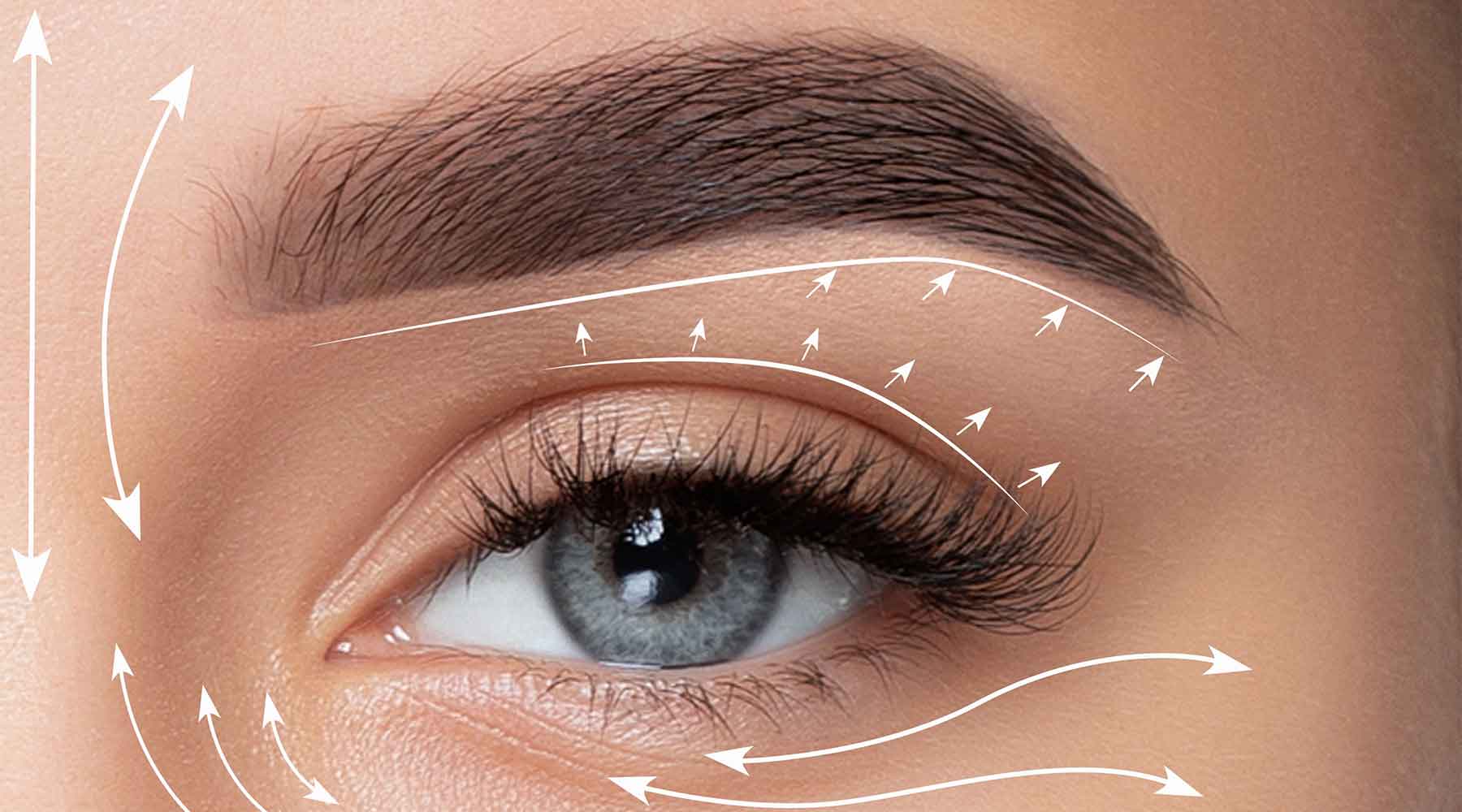
PRP eye treatment is an option some people consider when addressing concerns around the under-eye area, such as dark circles, fine lines, or skin texture changes. It uses components derived from your own blood to support skin health in this delicate area.
This guide explains what PRP eye treatment involves, what to expect during and after the procedure, and how to determine whether it may be appropriate for your individual circumstances. Individual suitability and outcomes vary, and a personalised consultation with a qualified registered practitioner is always the right first step.
* General estimates only. Individual suitability, session requirements, and recovery experience vary. A consultation with a registered practitioner is required to determine what is appropriate for you.
What Is PRP Eye Treatment?
PRP stands for Platelet Rich Plasma. It is a treatment that uses components derived from a small sample of your own blood. The blood is processed to concentrate the platelets, which contain growth factors that may support tissue repair and skin renewal.
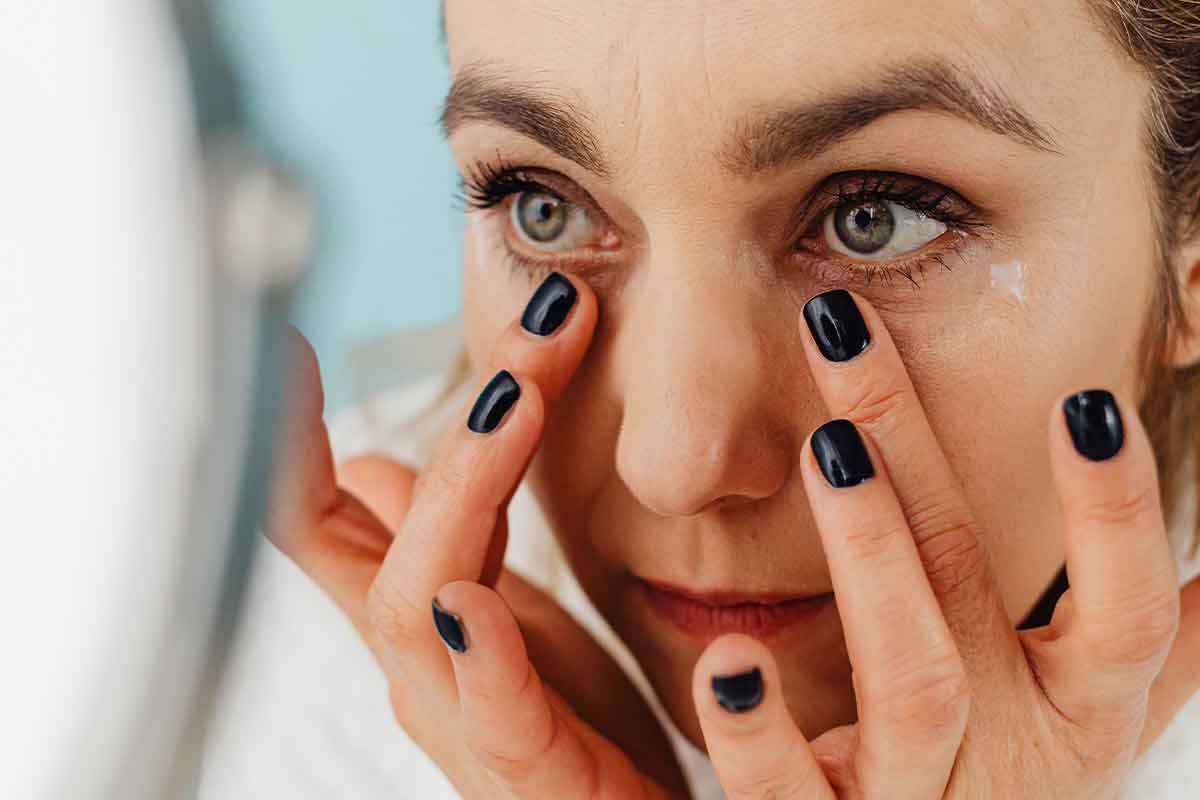
When used around the under-eye area, PRP eye treatment aims to support skin quality in a region that is particularly delicate and often difficult to treat with topical products alone. The skin here is thinner than most areas of the face, and concerns such as dark circles, fine lines, and changes in texture are common.
PRP uses components from your own blood, which reduces the risk of allergic reaction. However, as with all procedures, it carries risks that will be discussed at consultation. Individual results vary and outcomes are not guaranteed.
PRP Eye Treatment: What Under-Eye Concerns May It Help Address?
People seek PRP eye treatment for a range of under-eye concerns. Whether it is appropriate for your specific concern depends on its underlying cause, and can only be determined through individual assessment at consultation. Individual results vary and outcomes are not guaranteed.
Dark Circles
Dark circles have multiple potential causes, including pigmentation, vascular changes, and volume loss. PRP may be suitable for some types of dark circles. A practitioner will assess the underlying cause at consultation.
Fine Lines
The under-eye area is prone to fine lines due to the thinness of the skin and repeated facial movement. PRP may help support skin quality in this area over a course of treatments. Individual response varies.
Skin Texture and Quality
Changes in under-eye skin texture and overall skin quality are concerns that some people seek PRP treatment for. Suitability and response vary considerably between individuals.
PRP Eye Treatment: What the Procedure Involves
Here is a general overview of what a PRP eye treatment session typically involves. Your specific experience will depend on your individual assessment, skin type, and the treatment plan your practitioner develops for you.
How Many Sessions Are Needed and What Does Recovery Involve?
The number of sessions required and the recovery experience vary between individuals. The following is general guidance only. Your practitioner will advise on what is appropriate for your individual circumstances at consultation.
Sessions Required*
Most people benefit from a course of 2 to 4 sessions spaced approximately 4 to 6 weeks apart. This varies based on individual skin concerns and response to treatment. Your practitioner will advise at consultation.
Immediate After*
Some redness, mild swelling, or tenderness around the treated area is common following treatment. The under-eye area is particularly sensitive, and these effects may be more noticeable here than in other areas.
24 to 48 Hours*
Avoid strenuous exercise, significant heat exposure, and sun exposure for at least 24 to 48 hours. Avoid rubbing or applying pressure to the treated area. Some people prefer to allow time away from social commitments during this period.
Results Over Time*
Any changes develop gradually over weeks following treatment, as the skin responds to the growth factors in the PRP. Results vary between individuals and are not guaranteed. Multiple sessions are often needed before changes become apparent.
For more information about PRP treatments available at our Adelaide clinics, visit our PRP Adelaide page.
Is PRP Eye Treatment Right for You?
PRP eye treatment is not appropriate for everyone. A thorough consultation with a qualified registered practitioner is the only reliable way to determine whether it is suitable for your individual circumstances. The following are some general considerations.
You are in good general health, with no active blood disorders or conditions affecting platelet function. Your practitioner will review your medical history at consultation.
You have realistic expectations about what PRP can and cannot achieve. Results are gradual, individual, and not guaranteed. Your practitioner will discuss what is realistic for your specific concern at consultation.
PRP is generally not recommended during pregnancy or breastfeeding, or for those with certain blood conditions, active skin infections in the treatment area, or a history of blood clotting disorders. Your practitioner will assess all contraindications at consultation.
Important Information
This content provides general information only and does not replace a consultation. Individual assessment is required to determine suitability, risks, recovery, and costs. All outcomes vary between individuals and are not guaranteed. Results experienced by one person do not necessarily reflect what others may experience.
Practitioner: Suzie Bannon, RN (NMW0000965450), Registered Nurse (Division 1), Midwife, and Cosmetic Nurse with over 30 years of experience. Aesthetic Nurse Suzie clinic, Adelaide SA.