

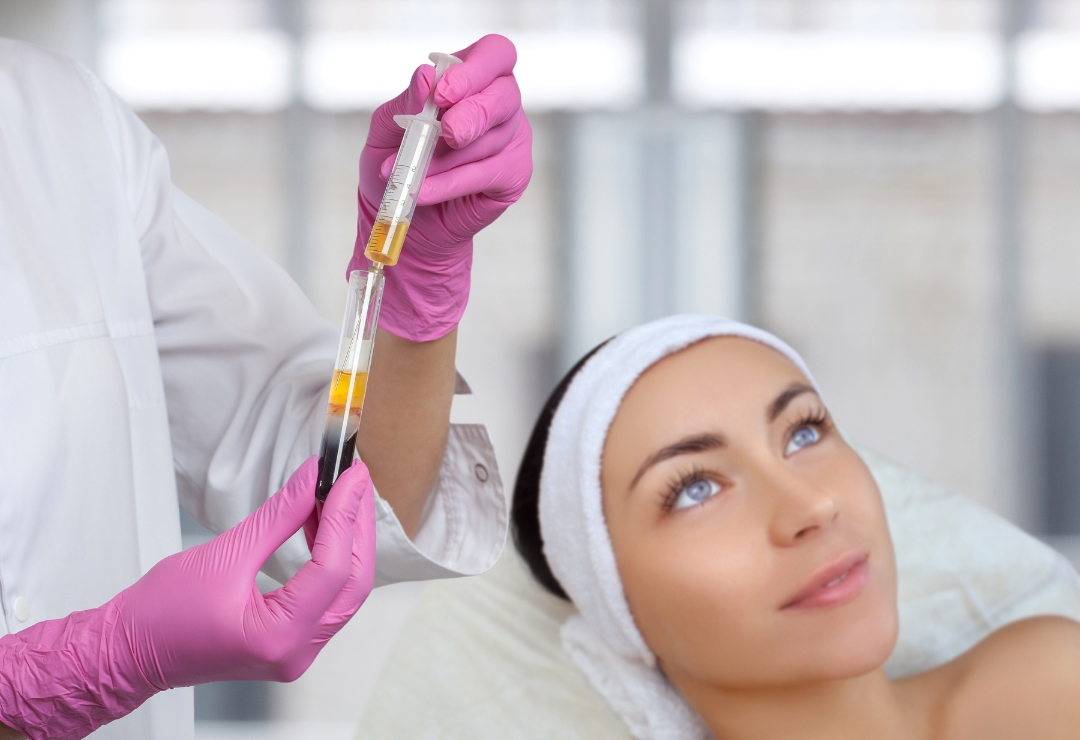
PRP – Platelet Rich Plasma

PRP Adelaide – Platelet Rich Plasma

PRP Adelaide treatments use a small sample of your own blood that is processed to concentrate platelets and growth factors. When applied to targeted areas by a registered health practitioner, PRP may help support skin quality, hydration and overall scalp health while maintaining a natural appearance.

What Is PRP Treatment?

PRP Adelaide treatments use a concentrated serum from your own blood, known as platelet-rich plasma. After preparation, it is placed into specific areas of the face, scalp or skin. The approach aims to support your body’s natural renewal processes, which may assist with skin texture, hydration and overall skin and scalp quality. Suitability, treatment areas and technique are determined during consultation.

Common Treatment Areas

PRP Adelaide treatments are used to assist in skin and scalp rejuvenation, targeting areas that benefit from enhanced hydration, volume support, and structural renewal.

May help support skin texture, surface smoothness and hydration for a healthy-looking complexion.

Designed to assist in improving skin quality and hydration around the eyes for a refreshed appearance.

Applied to the scalp to support scalp health. Some people notice improvements in hair quality; results vary and are not the same for everyone.

May assist with hydration and suppleness in delicate areas prone to visible dryness and volume changes.

PRP – Platelet Rich Plasma

PRP Therapy for Facial Rejuvenation

PRP therapy for face treatments is one of the more common reasons people ask about platelet-rich plasma. It is directed at the quality and condition of facial skin rather than at changing volume or contour, and any change develops gradually rather than appearing at the appointment.

The plasma is prepared from a small sample of your own blood, processed to concentrate the platelets, then placed into the skin by injection, by a needling device, or by a combination of both. The proposed mechanism relates to your body’s own repair processes.

Research on cosmetic PRP is still developing, and preparation systems are not standardised between clinics, which is one reason published findings vary. Your practitioner should be able to tell you plainly what is established, what is proposed, and what remains uncertain for your particular concern.

PRP Adelaide: Facial Areas People Ask About

Which areas, if any, are appropriate for you depends on assessment. Not every area suits every person.
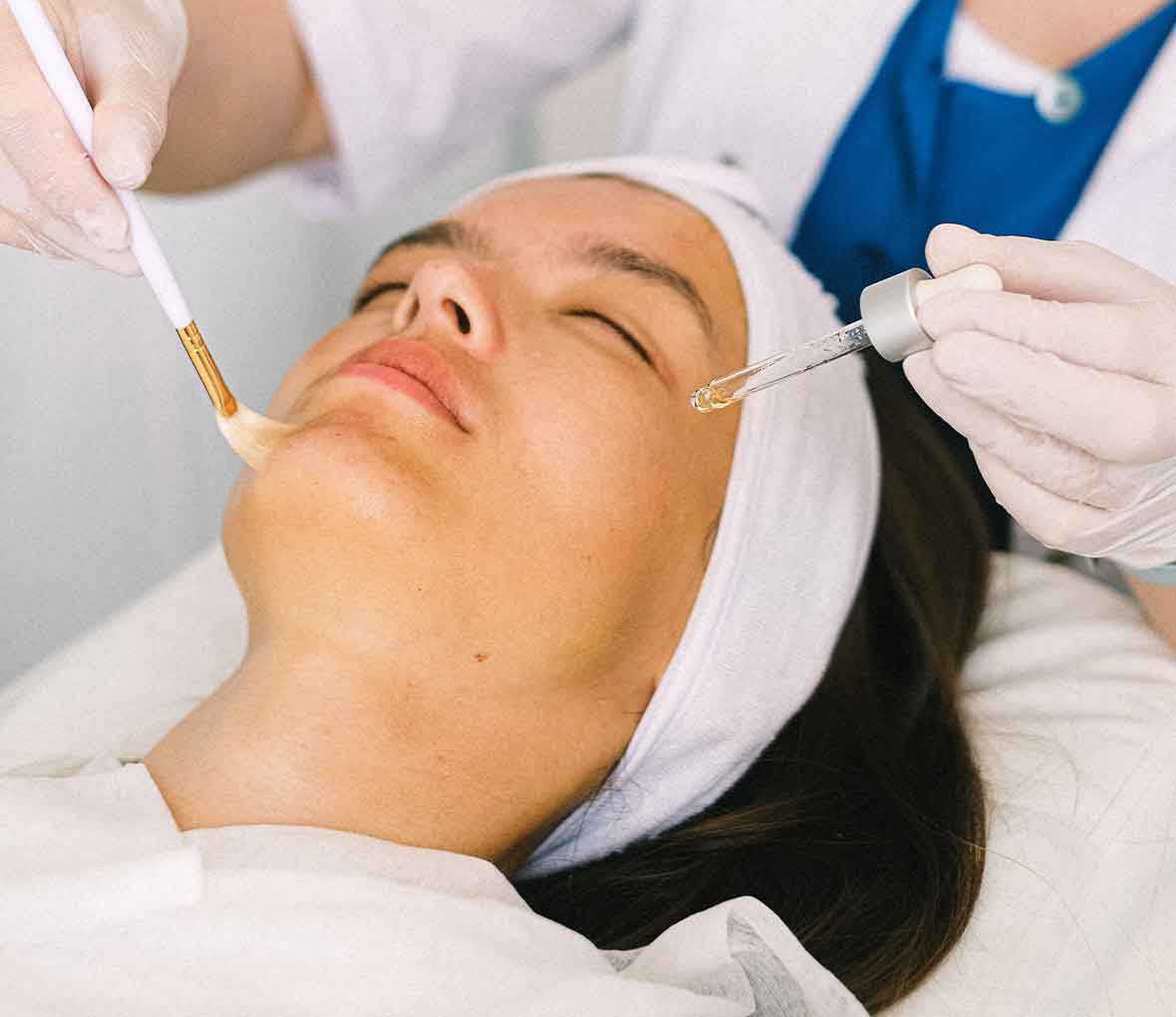
Often discussed in relation to overall skin texture and condition across a larger surface area.

The thinnest skin on the face, and an area where swelling and bruising are more visible. Not directed at hollowing, which is a separate concern.

Frequently raised in relation to fine lines and skin condition, rather than lines caused by muscle movement.

Sometimes included alongside facial treatment. Suitability and technique differ from the face and are assessed separately.

PRP Adelaide

What PRP therapy for face treatments will not do. Platelet-rich plasma is not a volumising product. It does not fill hollows or change facial contour, and it is not directed at lines produced by muscle movement. If those are your concerns, your practitioner should tell you so rather than proceed. Choosing the wrong treatment for a concern is one of the most common reasons people are disappointed.
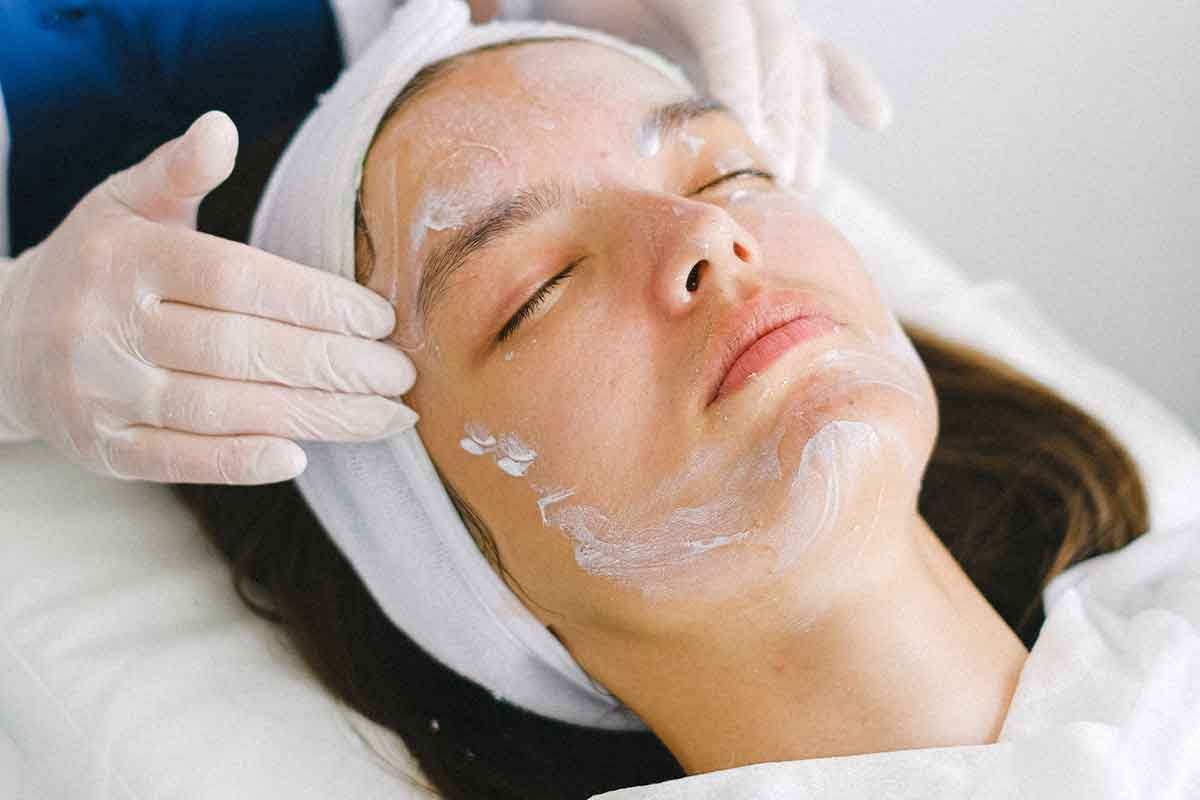
PRP Adelaide

What Is Realistic

Where an effect occurs it typically develops over weeks to months rather than days, because it relates to slow tissue processes.

Several sessions spaced weeks apart are usually discussed, with maintenance considered afterwards. Ask for the cost of a full course rather than a single-session price.

Expect redness, swelling, tenderness and the possibility of bruising afterwards, including at the arm where blood was taken. This is not a treatment to book immediately before an event.

Some people complete a full course and notice no meaningful change. The outcome one person experiences does not necessarily reflect what another person will experience.

Changes in skin over time are a normal part of ageing rather than a defect requiring correction, and choosing to do nothing is a legitimate option your consultation will discuss alongside the others.

Full information about the risks of this treatment is set out in the Risks & Recovery section of this page and discussed in detail at consultation. You can read a fuller explanation in our guide to PRP therapy for the face and what to expect, or about this specific area in our guide to PRP treatment under the eyes. Related options are described on our Bio-Stimulators & Bio-Remodelling and Skin Needling & Peels pages.

Benefits of PRP
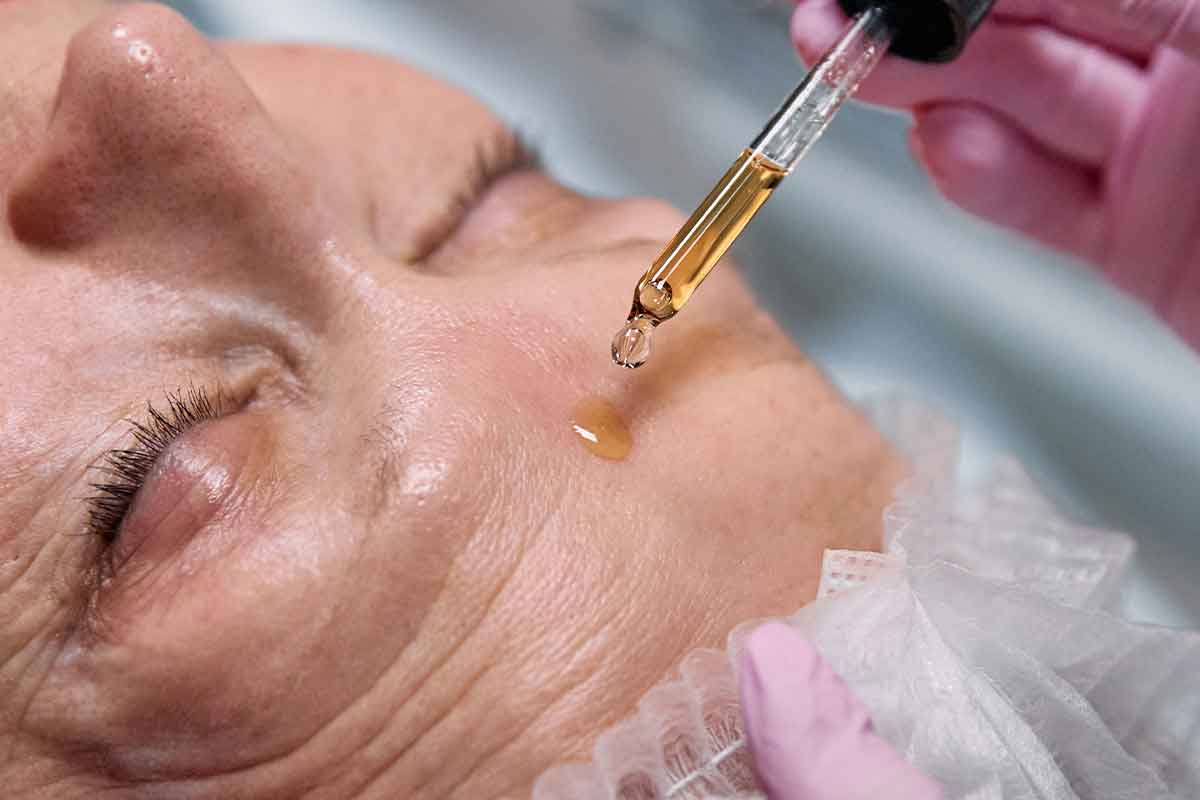
Enhances skin hydration

May assist the skin in retaining moisture, which some people notice as a fresher appearance.

Supports collagen processes

Encourages the skin’s own renewal mechanisms, which may help maintain firmness and elasticity.

Promotes scalp health

May help support a healthier-looking scalp, and for some people, the quality of their hair.

Non-surgical approach

Uses components from your own blood, placed by a registered nurse after assessment and consent.

Results and longevity vary

Responses differ between people, and some notice little or no change from a course of treatment.

PRP Adelaide

Risks & Recovery

All procedures carry risks. Common, usually temporary effects can include redness, swelling, tenderness or bruising. Less common but serious complications can occur and will be discussed during consultation.

Recovery needs vary. Short-term activity modifications, such as avoiding strenuous exercise and heat exposure, may be advised.

Pain differs between people. Discomfort during and after treatment is common and varies between individuals. Comfort options are discussed at consultation.

Who may not be suitable? Often not recommended during pregnancy or breastfeeding, or for people with certain bleeding or platelet disorders, active skin infections, or specific medical conditions and medications. Your clinician will assess suitability.

Interested in PRP? Book a consultation to discuss whether PRP is appropriate for you and to plan a personalised approach.

This information is for general purposes only and does not constitute medical advice. A consultation is required before any treatment is undertaken.

Make an Appointment

Frequently Asked Questions

A small blood sample is processed to concentrate platelets. The PRP is then placed into targeted areas of skin or scalp by a registered health practitioner using sterile technique. Your assessment determines areas treated and the approach used.

PRP is used to support overall skin quality, hydration and texture, and to promote scalp health. Some people notice improvements in the appearance of fine lines or hair quality; outcomes vary and are not guaranteed.

Suitability depends on your medical history, skin and scalp concerns and goals. PRP is generally not recommended during pregnancy or breastfeeding, with certain bleeding or platelet disorders, active infections, some autoimmune or dermatologic conditions, or when specific medications are used. Your practitioner will advise.

Responses differ between individuals. Your clinician may suggest a course of treatments with intervals between sessions, followed by occasional maintenance if appropriate. Your plan will be personalised after assessment.

Recovery varies between individuals. Temporary redness, swelling, tenderness or bruising can occur and typically settle within days, though this differs from person to person. Bruising at the arm where blood was taken is also common. Your aftercare will be outlined at consultation.

Longevity varies based on individual factors, area treated and the treatment plan. Ongoing maintenance may be recommended for some people.

These areas are commonly discussed. The skin around the eyes is thin and bruising there is more visible, and technique differs between areas. Whether either is appropriate for you, and the risks involved, are assessed and discussed at consultation.

You may be advised to avoid strenuous exercise, heat exposure and certain skincare or hair products for a short period. Follow the personalised aftercare provided by your practitioner.