Skin Treatments and PRP
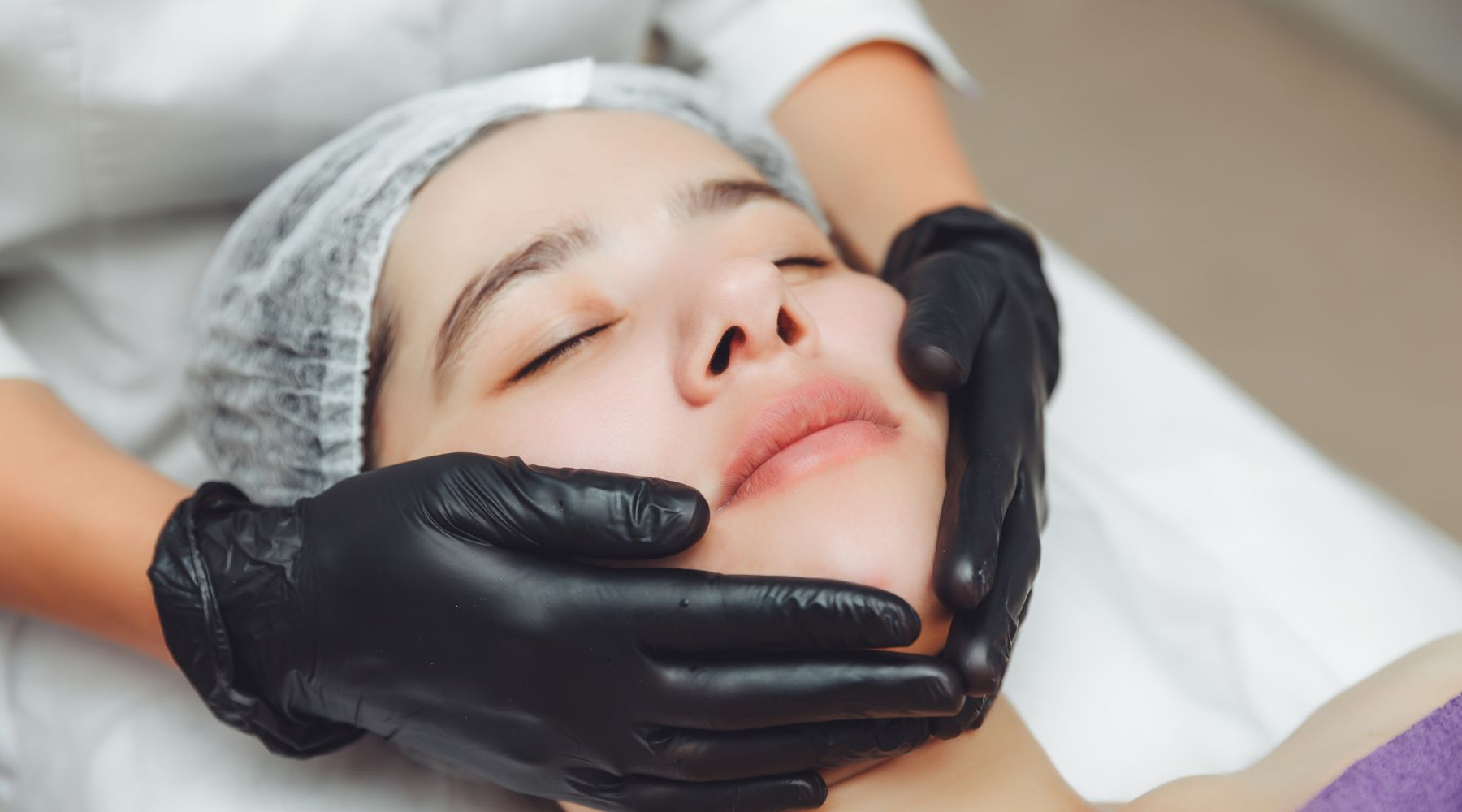
What are vampire facials, and what actually happens in the treatment room? The name comes from social media, not from medicine. It describes a skin treatment that uses platelet-rich plasma (PRP) prepared from your own blood.
This guide explains what the treatment is and how it works step by step. It sets out what the treatment aims to do and what it cannot do. It also covers suitability, risks, recovery, and the questions people ask most often.
At Suzie Bannon Aesthetic Nurse, a Registered Nurse performs PRP treatments under medical supervision. Our Vampire Facials page describes the service itself. This article is general information only and does not replace a consultation. PRP is a higher risk non-surgical cosmetic procedure, results vary, and the content is for adults 18 years and over.
What Are Vampire Facials?
A vampire facial is a marketing name for a PRP skin treatment. Clinics may also call it a PRP facial or PRP with microneedling. It combines two things:
Platelet-rich plasma (PRP), which a practitioner prepares from a small sample of your own blood
A delivery method, usually microneedling, that helps the PRP reach the upper layers of the skin
Platelets carry proteins called growth factors, which take part in the body’s own repair processes. The idea is to place a concentrate of those growth factors into the skin to support its condition. Our PRP Adelaide page covers the other areas where the clinic uses PRP.
A note on evidence. Research on cosmetic PRP is still developing. Preparation methods differ between clinics, and most studies are small and hard to compare. A practitioner should tell you plainly what the evidence supports, what remains a proposal and what nobody knows yet.
How Does a Vampire Facial Work?
Techniques vary between clinics, but the general sequence is similar. Allow roughly 60 to 90 minutes. Blood processing and numbing time take up much of that, and the treatment itself is shorter.
Step-by-Step Overview
Consultation
The nurse reviews your medical history, medications and skin concerns. They explain the procedure, the risks and what is realistic, and confirm whether you are suitable.
Blood Collection
The nurse takes a small sample of blood from your arm, much like a routine blood test. Tell them beforehand if you have ever fainted during a blood test.
PRP Preparation
A centrifuge spins the sample for several minutes. This separates the platelet-rich plasma from the red cells and other components.
Skin Preparation
The nurse cleanses the treatment area and usually applies a topical anaesthetic. It takes time to work, which adds to the appointment length.
Application
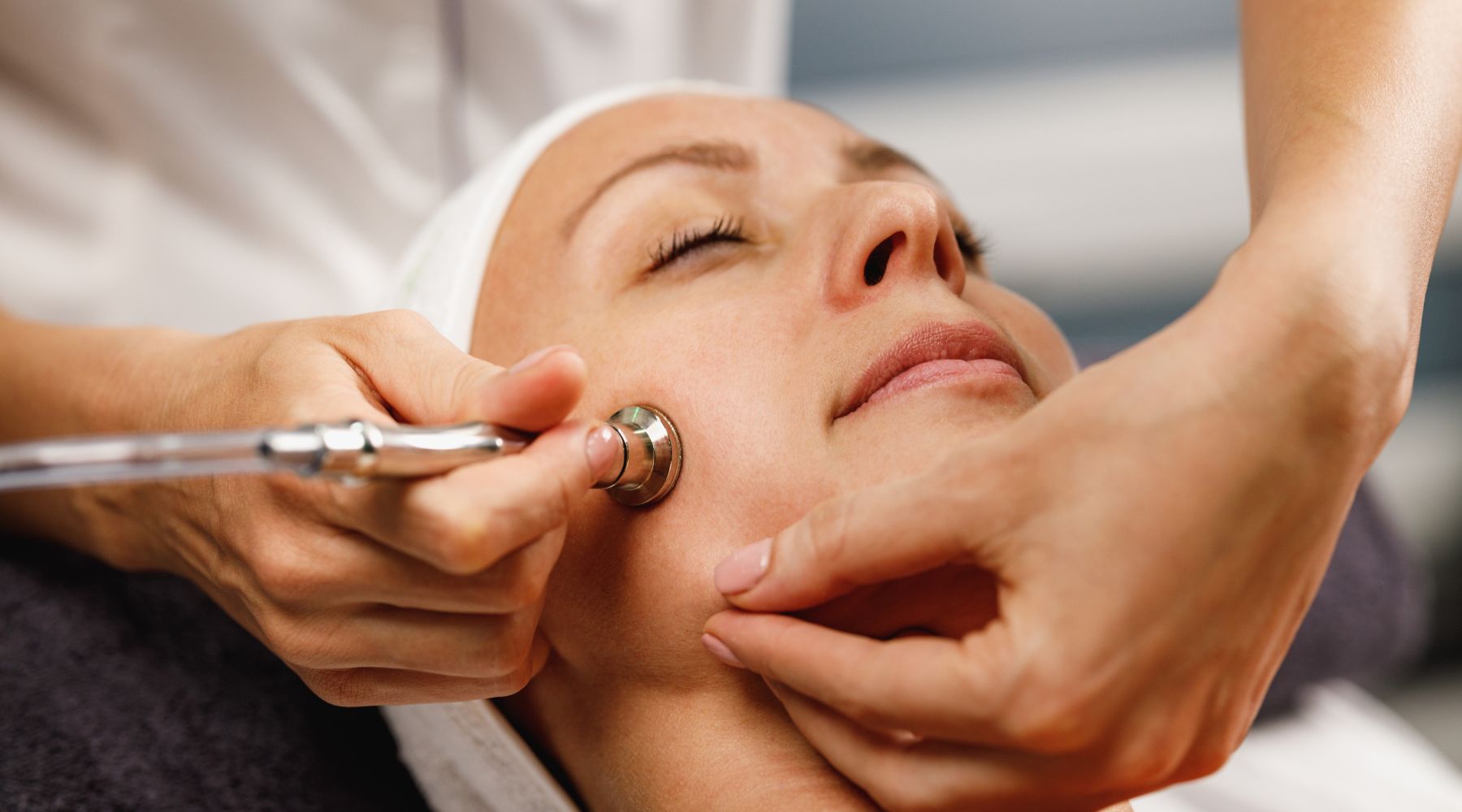
The nurse places the PRP on the skin and uses a microneedling device to create fine channels. The channels help the PRP reach the upper layers of the skin. Most people feel some discomfort even with numbing cream.
Aftercare
The nurse may apply a calming product and gives you written aftercare. Your skin will look red, and possibly swollen, when you leave.
What Vampire Facials Aim to Do
People usually ask about this treatment for overall skin quality rather than for any one feature. The aim is to support the condition of the skin: its texture, its hydration and the evenness of its tone. It does not add volume, lift skin or remove pigmentation. Nor does it replace medical treatment for a skin condition.
What It May Address
- Rough or uneven skin texture
- Fine surface lines
- Skin that looks less hydrated or less even than you would like
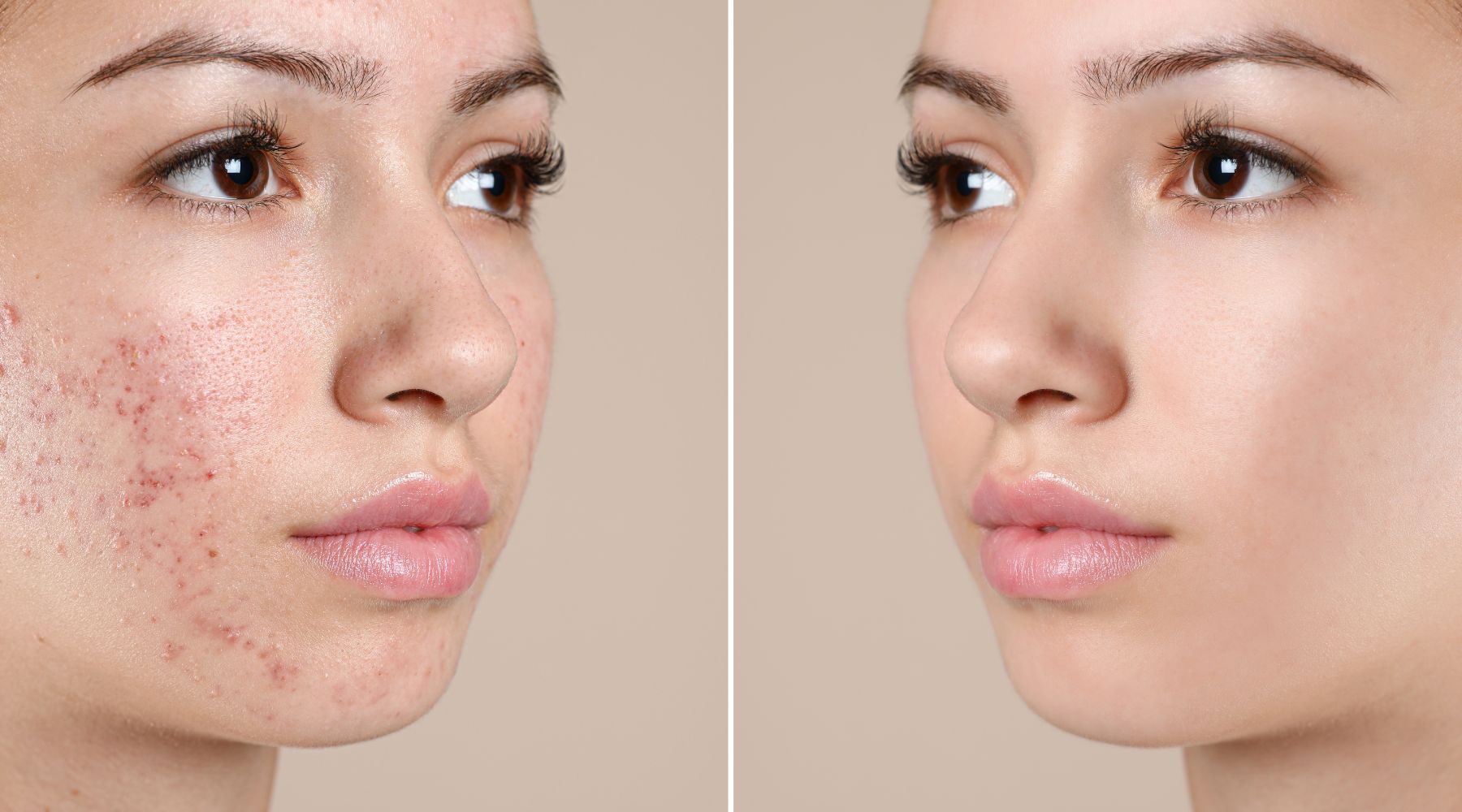
- The appearance of some acne scarring, usually with microneedling
Important to Understand
- Any change is gradual and subtle
- Nobody can guarantee a specific outcome
- Some people notice no meaningful change
- Lifestyle, sun exposure, skin type and general health all play a part
Some people prefer the idea of a treatment that uses their own blood components. It involves no surgery and no manufactured product, and that is a reasonable preference. It does not make the treatment low risk, and it does not mean it suits everyone. Practitioners usually discuss a course of several sessions, often spaced about six weeks apart, followed by maintenance.
Who Might Consider a Vampire Facial?
A practitioner may discuss a vampire facial with adults who:
- Want to support skin texture and quality without surgery or a manufactured product
- Understand that any change is gradual and subtle, and that results vary
- Can accept several days of redness, and possible bruising, after each session
- Are willing to commit to a course of sessions and to daily sun protection
Areas people commonly ask about include:
Suitability depends on your medical history, current medications and skin condition. A consultation with a registered health practitioner is always the first step, and doing nothing is a legitimate option.
Who May Not Be Suitable?
Not everyone is a candidate for PRP. Practitioners commonly advise against it, or defer it, for people who:
- Are pregnant or breastfeeding
- Have a bleeding disorder, low platelets or another condition affecting blood counts
- Take anticoagulant or antiplatelet medication, or have used isotretinoin recently
- Have an active infection, cold sore or inflammation in the treatment area
- Live with a blood-borne infection, an active cancer, or certain autoimmune or inflammatory conditions
- Have poorly controlled diabetes or a history of keloid scarring
Bring a complete list of your medications and supplements to your consultation. If PRP does not suit you, the nurse may discuss other options, including doing nothing.
Risks and Side Effects
All cosmetic procedures carry risk, and regulators class PRP procedures as higher risk non-surgical cosmetic procedures. The list below is general and not exhaustive. Your practitioner should discuss the risks that apply to you before you consent, not after.
Expected and usually temporary
Redness, swelling, tenderness, a warm or tight feeling, pinpoint bleeding, and dryness or flaking. Bruising is common, both on the treated skin and at the arm where the nurse took the blood.
Less common
Infection, prolonged redness, post-inflammatory hyperpigmentation, cold sore reactivation, and small lumps or scarring where technique or aftercare is poor. Pigmentation changes are more likely in deeper skin tones and after sun exposure.
Rare but serious
Any procedure that handles blood carries a risk of blood-borne infection if hygiene fails. Overseas, health authorities have linked cases of blood-borne infection to unlicensed providers with poor infection control. Single-use sterile equipment, correct labelling of your sample and a registered practitioner reduce that risk.
During blood collection
Lightheadedness or fainting can occur. Tell the nurse if this has happened to you before.
Allergic reaction
Reactions to the topical anaesthetic or to products applied afterwards are possible, although uncommon.
No meaningful change
Some people complete a course and notice little difference. That is a real outcome, and you should weigh it against the cost and the commitment.
What to Expect After a Vampire Facial
Immediately after treatment, expect:
Redness usually settles over one to three days. Dryness or flaking can follow for several days, and bruising can take a week or more to fade. Plan around any event where a red or bruised face would matter. This is not a treatment for the week of a wedding.
General aftercare usually includes:
No makeup for the period your nurse recommends
Bland, fragrance-free skincare only until the skin settles
Keeping the skin clean, and not touching or picking at it
Broad-spectrum sunscreen every day, and shade while the skin is red
No strenuous exercise, saunas, pools or direct sun for the period your nurse advises
Your practitioner gives you personalised aftercare instructions and tells you when to make contact if something does not look right.
Vampire Facials vs Other Skin Treatments
Vampire facials are one option among several. Depending on your concern, a plan may involve one or more of the following:
- PRP on its own, or PRP for specific areas such as under the eyes. Our PRP Adelaide page covers these uses.
- Skin needling or skin peels for texture, fine lines and scarring
- Microdermabrasion for surface exfoliation
- LED light therapy on its own, or to support the skin after other treatments
- A consistent home routine, with daily sunscreen doing most of the work
The most suitable plan depends on your main concern and how much recovery you can accept. It also depends on your budget over a year, not per session. A practitioner may suggest PRP as part of a broader approach rather than as a stand-alone answer. They may also suggest something else entirely, or nothing at all.
Choosing a Practitioner
Because this procedure handles your blood and breaks the skin, infection control and training matter more than with most facials. Before you book, check that your provider:
Holds current Ahpra registration and will show you their registration number
Uses single-use sterile needles and tubes, and labels your blood sample in front of you
Takes a full medical history and asks about medications and supplements
Explains risks, side effects, recovery and alternatives before asking for consent
Gives you time to think, with no pressure to decide on the day
Suzie Bannon, RN (NMW0000965450), Registered Nurse (Division 1) and Midwife, performs PRP treatments at Suzie Bannon Aesthetic Nurse. She works under medical supervision. You can check any practitioner’s registration on the Ahpra public register.
Frequently Asked Questions
Short answers to the questions people ask most often before a consultation.
Are vampire facials and PRP facials the same thing?
Yes. Vampire facial is the social media name for a PRP facial. Both describe PRP prepared from your own blood and applied to the skin, usually with microneedling.
What are vampire facials in clinical terms?
In clinical terms, a vampire facial is a PRP facial, a PRP skin treatment or PRP with microneedling. The term for a product made from your own blood is autologous PRP.
Do vampire facials hurt?
Most people feel discomfort, particularly on the forehead and around the nose. Numbing cream reduces it but does not remove it. Pain differs between people, so ask what comfort measures the clinic offers.
How long does a vampire facial take?
Allow roughly 60 to 90 minutes. Blood collection, processing and numbing time take up most of that, and the treatment itself is shorter.
How many sessions will I need?
Practitioners usually discuss a course of several sessions, often spaced about six weeks apart, followed by maintenance. A single session may produce no noticeable difference. Your plan depends on your assessment.
How soon will I see a change, and how long does it last?
Any change is gradual and develops over weeks to months, because it relies on slow tissue processes. It is not permanent. Maintenance sessions are usually part of the plan, and some people see no meaningful change at all.
Can vampire facials cause infection?
Yes, although it is uncommon with correct technique. The procedure breaks the skin and handles blood, so single-use sterile equipment and proper sample handling are essential. Choose a registered health practitioner and ask about infection control.
Can I have a vampire facial while pregnant or breastfeeding?
Practitioners generally defer PRP during pregnancy and breastfeeding. Discuss your situation at consultation.
How much does a vampire facial cost in Adelaide?
Cost depends on the areas treated and the number of sessions. Ask for the total cost of a full course plus maintenance, not the price of a single session. The clinic confirms costs at consultation.
Is a vampire facial the same as PRP under the eyes?
No. The under-eye treatment usually involves injecting PRP into a small, delicate area, and it carries additional risks. Our article on PRP treatment under eyes explains the differences.
Is a Vampire Facial Right for You?
So, what are vampire facials in one line? PRP from your own blood, delivered into the skin, usually by microneedling.
Whether one suits you has a longer answer. It comes from a consultation, not from an article or a social media clip. Vampire facials are not for everyone, and they are not the only option.
In your appointment, you can:
- Discuss your skin concerns and what you hope to change
- Learn which treatments, if any, address that concern
- Understand the likely benefits, the risks and the limitations before you decide
From there, you and your practitioner can agree on a plan that fits your needs, comfort and budget. You can also agree that no treatment is the right call for now.
Curious about PRP or Vampire Facials?
Book a consultation to discuss your skin concerns, suitability, realistic outcomes and what to expect from treatment.
This content provides general information only and does not replace a consultation. You need an individual assessment to determine suitability, risks, recovery and costs. PRP is a higher risk non-surgical cosmetic procedure, and all procedures carry risks. Results vary between individuals, and nobody can guarantee an outcome. The clinic treats adults 18 and over only. Practitioner: Suzie Bannon, RN (NMW0000965450), Registered Nurse (Division 1) and Midwife.