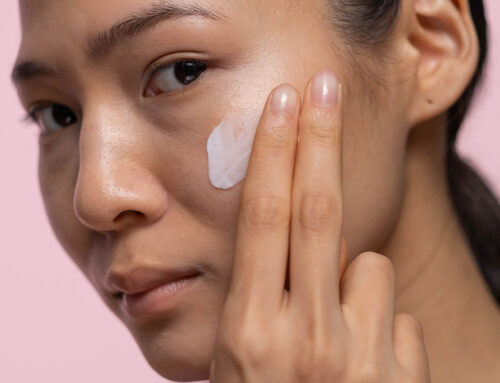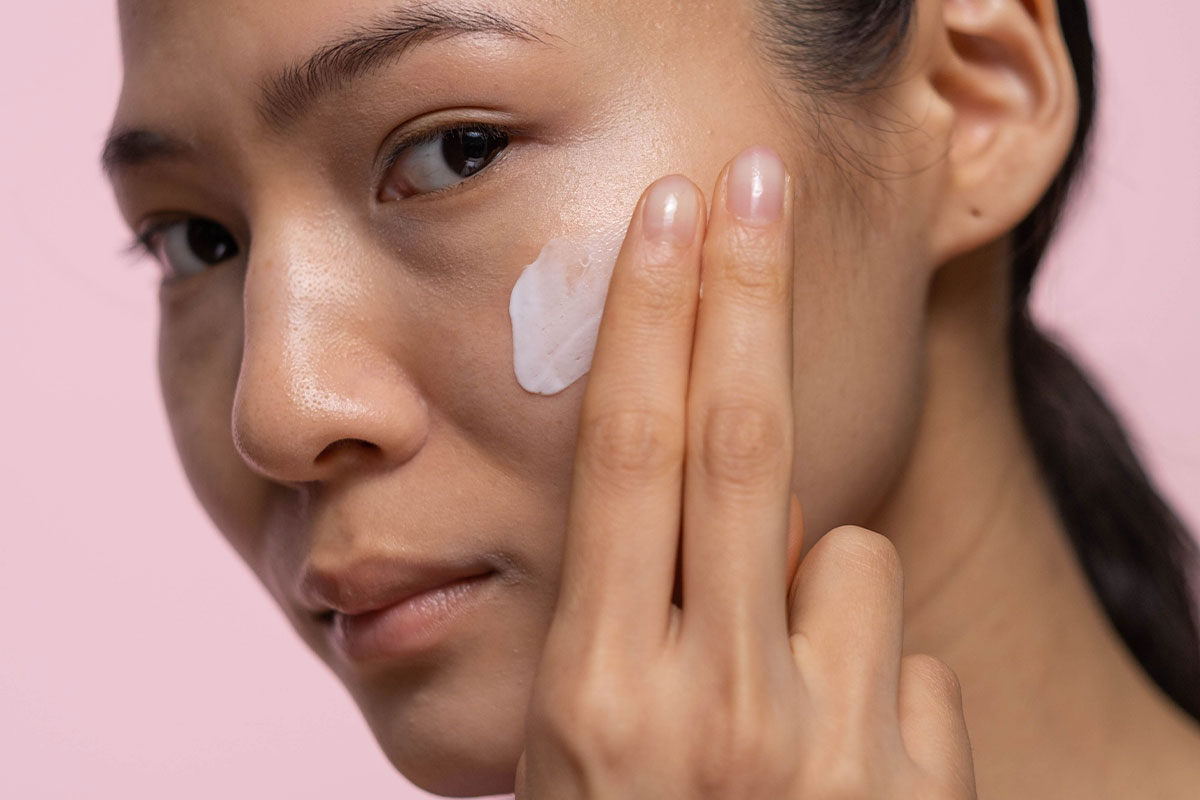
People considering PRP therapy for face treatments are often looking to address concerns such as skin texture, fine lines, or the appearance of scarring. This guide explains, in general terms, what platelet-rich plasma is, how it is prepared, and what a treatment involves, with a clear focus on the risks, the realistic timeframes, and why individual assessment is essential.
This is general information only and does not replace a consultation. PRP is a higher risk non-surgical cosmetic procedure, it is not appropriate for everyone, and it carries real risks. A consultation is required before any treatment can be considered. This content is intended for adults aged 18 years and over.
The Science
PRP Therapy for Face: What PRP Is and How It Is Derived
PRP stands for platelet-rich plasma. It is a concentrate made from a small sample of your own blood. Blood is made up of red blood cells, white blood cells, platelets, and plasma. Platelets are best known for their role in clotting, but they also contain proteins called growth factors that are involved in the body’s tissue repair processes.
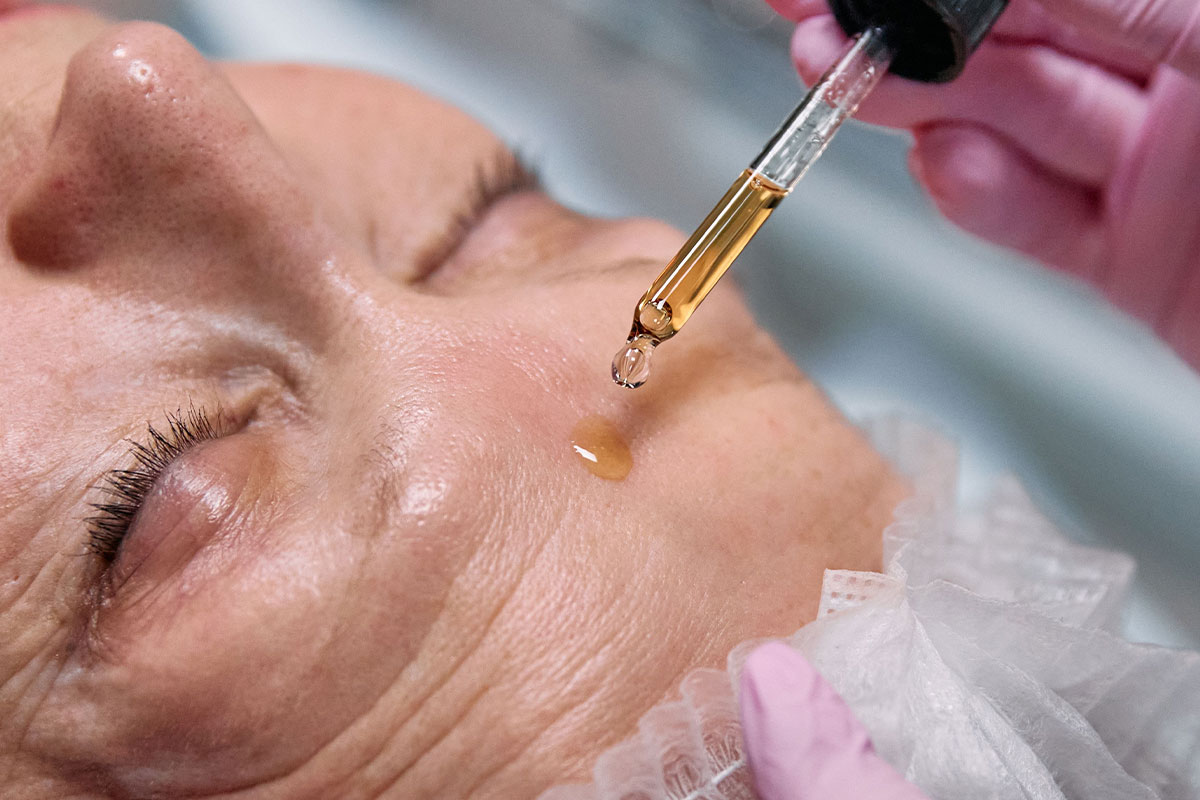
To prepare PRP, a practitioner draws a small volume of blood from a vein in your arm, in much the same way as a routine blood test. The sample is placed in a centrifuge, which spins it at high speed and separates the blood into layers by density. The plasma layer containing a higher concentration of platelets is drawn off into a sterile syringe, and that concentrate is what is applied to or introduced into the skin.
Because the material comes from your own body, PRP is described as autologous. It is worth being clear about what this does and does not mean. Autologous means it is not a donor or synthetic product. It does not mean the procedure is without risk, because the blood collection, needling, and injection steps each carry risks of their own. This is one of several reasons the treatment requires individual assessment rather than a standard protocol.
Derived From Your Own Blood
A small sample is drawn and processed on site. Because a blood draw is part of the procedure, your medical history, medications, and blood-related conditions are directly relevant to suitability.
Preparation Is Not Standardised
Tube systems, spin speeds, and resulting platelet concentrations differ between clinics. This is one reason published research findings vary and why the evidence base for cosmetic PRP is still developing.
A Course Is Common
PRP is not a permanent treatment. A course of several sessions spaced weeks apart is commonly discussed, and a single session may not produce a noticeable change. Some people notice little or no change at all.
The Procedure
The Step-by-Step PRP Facial Treatment Process
The steps below describe a general sequence only. The specifics depend on your skin, the concern being addressed, and your practitioner’s assessment. Appointments generally run in the range of 45 to 90 minutes, with much of that taken up by processing and anaesthetic waiting time rather than the treatment itself.
Recovery
PRP Therapy for Face: Expected Recovery and Downtime
Recovery from this treatment is variable, and it differs genuinely from person to person depending on the depth and intensity of the treatment, the area treated, your skin, your general health, and your medications. Anyone describing this treatment as having no downtime is not giving you the full picture.
The first 24 to 72 hours. Redness that can resemble mild to moderate sunburn is common, along with a warm or tight sensation, swelling, and tenderness to touch. Pinpoint bleeding or small scabs may occur where needles have entered the skin. Bruising at the arm where blood was taken, and sometimes on the face, may take several days to fade.
The days that follow. The skin may feel dry, tight, or flaky as it settles. Swelling around the eyes can be more pronounced on waking.
Practical planning. Makeup is generally not recommended for at least 24 hours, which matters if you work in a client-facing role. Exercise and heat exposure are usually restricted for a short period. Treatment is best not booked immediately before a wedding, holiday, or important work commitment.
How Long Before Anything Is Visible, and How Long It Lasts
Changes, where they occur, are gradual rather than immediate. Any improvement in skin texture typically develops over a period of weeks to months rather than days, because it relates to slow tissue processes rather than a filling or volumising effect.
PRP is not permanent. The number of sessions, the intervals between them, and whether maintenance is appropriate should be set out for you individually before you commit, along with the total cost of a full course rather than a single-session price. Individual responses vary, and the outcome one person experiences does not necessarily reflect what another person will experience.
Risks of PRP
Material Risks of PRP Therapy for Face
All cosmetic procedures carry risk, and PRP is classified as a higher risk non-surgical cosmetic procedure. You should have full information about the risks before consenting, not afterwards. The list below is general and not exhaustive; the risks relevant to you depend on your individual circumstances and are discussed in full at consultation.
Common, usually temporary: pain and discomfort during and after the procedure, redness, swelling, warmth, tenderness, pinpoint bleeding, and bruising at both the blood collection site and in treated areas.
Less common but more significant: infection at the venepuncture site or in treated skin, prolonged redness or irritation, post-inflammatory hyperpigmentation which can be more likely in deeper skin tones, nodules or lumps at treatment sites, flare-up of existing skin conditions including cold sores, and scarring. Some changes may be lasting.
Related to blood handling: fainting or lightheadedness during collection, reaction to topical anaesthetic or aftercare products, and the risks associated with labelling and sterile technique, which is why the practitioner’s process matters.
The possibility of no change: some people see no meaningful difference from a course of treatment. This is a genuine possible outcome and should be factored into any decision about cost and commitment.
Following aftercare and protecting treated skin from the sun is generally important to reduce risk. Your practitioner will explain the specific aftercare for any treatment discussed.
Suitability
Who Is an Ideal Candidate for PRP Therapy?
There is no single ideal candidate, and it is more accurate to talk about who may be assessed as suitable. Broadly, a practitioner is likely to consider PRP therapy for face treatments only for adults in reasonable general health, with realistic expectations about gradual and variable results, who are willing to commit to a course of sessions rather than a one-off, and whose blood and skin can tolerate the procedure without undue risk.
PRP is one option among several, and it is not the right answer for everyone concerned about their skin. Depending on what you want to address, a practitioner might discuss other treatments, a skincare or sun protection routine, referral to a dermatologist or general practitioner, or the option of doing nothing at all. If a clinic presents a single procedure as the only path available to you, seek a second opinion.
Who May Not Be Suitable
PRP is commonly not recommended during pregnancy or breastfeeding, or for people with bleeding disorders or platelet abnormalities, blood-borne infections, active infection or active skin inflammation in the treatment area, certain autoimmune or inflammatory conditions, some cancers or a history of certain cancers, anaemia or other conditions affecting blood counts, poorly controlled diabetes, or a history of keloid or hypertrophic scarring.
Anticoagulant and antiplatelet medications, some anti-inflammatory medications, corticosteroids, and isotretinoin can also affect suitability or timing. Bring a complete list of your medications and supplements to your consultation.
Only a registered health practitioner who has assessed you individually can determine whether this treatment is appropriate for you.
The Consultation
What to Expect at a PRP Consultation
No treatment is recommended before a thorough assessment, and there is no obligation to proceed. If PRP is not appropriate for your skin or concern, that will be discussed openly. There is no clinical reason to decide on the day.
Suitability review, your medical history, medications, blood-related conditions, skin, and the concern you want to address are assessed.
Risk discussion, the material risks, the recovery you should plan for, the likely number of sessions, and the total cost are explained so you can give informed consent.
Honest guidance, if PRP is unlikely to suit you, alternative approaches, referral, or taking no action may be discussed instead.
To read more about this treatment and the areas it may be applied to, visit our PRP Adelaide, Platelet Rich Plasma page, or our home page for the full range of skin treatments available in Adelaide.
Important Information
This content provides general information only and does not constitute medical advice or replace a consultation. Individual assessment is required to determine suitability, risks, recovery, number of sessions, and costs. PRP is a higher risk non-surgical cosmetic procedure and all procedures carry risks. Outcomes vary between individuals and are not guaranteed, and any result experienced by one person does not necessarily reflect what others may experience. This content is intended for adults aged 18 years and over.
Practitioner: Suzie Bannon, RN (NMW0000965450), Registered Nurse (Division 1), Midwife, and Cosmetic Nurse with over 30 years of experience. Aesthetic Nurse Suzie clinic, Adelaide SA.