Lines that appear with age and expression are a normal part of having a face that moves. They are not a fault that needs correcting. Choosing to treat them is a personal decision rather than a health need. If you are weighing that decision, start with what the treatment is and what it is not. That matters more than anything on social media.
One point up front. Treatments in this category commonly involve prescription-only medicines. Australian law does not allow anyone to name, price or promote those medicines in advertising. This page therefore describes the treatment in general terms only. You need a consultation with an authorised prescriber before anyone can recommend or supply anything. This content is for adults 18 years and over.
In Plain Terms
What Is Anti Wrinkle Treatment in Plain Terms?
Anti wrinkle treatment is a non-surgical cosmetic procedure for lines of expression. Repeated facial movement, such as frowning, squinting or raising the brows, produces those lines. The term describes a category of treatment rather than a single product. A practitioner delivers it through a series of small injections into specific facial muscles.
Some procedures in this category may work by temporarily reducing the activity of the targeted muscle. Less movement means less folding of the skin, so the line may soften. The effect is temporary. It wears off over a period of months, and any change is not permanent.
Beyond that general description, the specifics belong in a consultation. How soon any effect appears, how long it lasts and how often you might repeat treatment all vary. They depend on the person, the area and the assessment. Anyone quoting you fixed timeframes before examining you is claiming more than anyone can know in advance.
What it does not do. Anti wrinkle treatment does not add volume, lift loose skin, change skin texture, or treat pigmentation and sun damage. Those are separate concerns with separate approaches. Choosing this treatment for a concern it does not address is one of the most common causes of disappointment.
A sudden change in how one side of your face moves is a medical matter, not a cosmetic one. See a doctor promptly before you consider any cosmetic consultation.
Static and Dynamic
The Difference Between Static and Dynamic Wrinkles
This distinction matters more than anything else on this page, because it decides whether the treatment even addresses your concern.
Dynamic wrinkles appear when you move your face and fade when it is at rest. Frown lines that show when you concentrate and disappear when you relax are the classic example. Muscle movement produces them, so they are the lines this category of treatment addresses.
Static wrinkles are present when your face is completely still. They develop over years as skin loses some of its elasticity and repeated folding leaves a more permanent crease. Sun exposure, smoking and genetics all contribute. Reducing muscle movement has less bearing on them, and they generally respond differently, if at all.
Most people have a mix of both, and a line that began as dynamic can become partly static over time. A practitioner should look at your face at rest and in movement. They should tell you plainly which type you have and what that means for likely results. If your lines are largely static, other approaches, or doing nothing, may be more relevant. You should hear that before you book anything.
A rough guide at home. Look in a mirror with your face completely relaxed. Lines that remain are static. Lines that only appear when you frown, smile or raise your brows are dynamic. This is a starting point for a conversation, not a diagnosis, and a consultation confirms it.
Areas
Common Areas Treated
The areas below are the ones people most often ask about. Listing them is not a recommendation, and not every area is appropriate for every person. Which areas, if any, suit you is a matter for assessment.
Forehead Lines
Horizontal lines that appear when you raise your brows. The same muscles help hold the brow in position. Careful assessment matters here, to avoid a heavy or lowered brow.
Frown Lines
The vertical lines between the brows that deepen when concentrating or squinting. One of the most frequently discussed areas.
Lines Around the Eyes
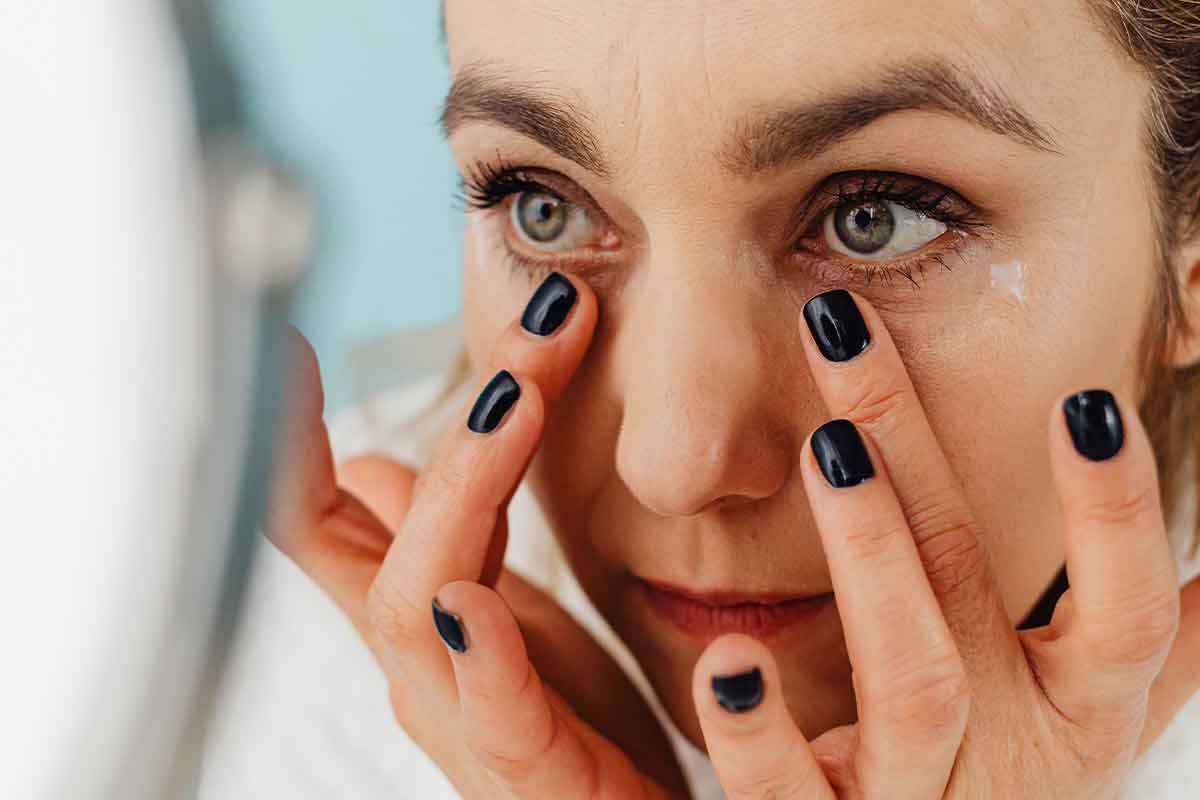
Lines fanning from the outer corners of the eyes, linked to smiling, squinting and sun exposure. The skin here is thin and bruises readily.
Bunny Lines
Small diagonal lines along the sides of the nose that appear when the face scrunches. A smaller area, and not one that concerns everyone.
Jaw and Lower Face
People sometimes raise concerns about jaw clenching, grinding or jawline width. The lower face affects speech and chewing, so assessment matters a great deal here.
Non-Cosmetic Uses
Clinicians sometimes use related treatments for medical conditions such as excessive sweating. Those are medical rather than cosmetic matters and follow a different pathway.
Preserving natural expression is generally the aim rather than removing it. A face that cannot show what its owner feels is not a good outcome, whatever the lines look like.
Risks and Recovery
Risks You Should Understand
All cosmetic procedures carry risk. Regulators classify this treatment as a higher risk non-surgical cosmetic procedure. The list below is general and not exhaustive. The risks that apply to you depend on your circumstances and the area involved. Your practitioner should discuss them in full at consultation, before consent rather than after it.
Expected and usually temporary. Discomfort during injection, redness, small raised marks at the injection points, tenderness and bruising. Bruising around the eyes can be visible for several days. Headache is also common after treatment in the upper face.
Effects on nearby muscles. The most discussed risk in this category. The effect can extend beyond the intended muscle. That may result in a drooping eyelid or brow, uneven brow position or asymmetry. These effects are temporary but can take weeks to months to settle. Nobody can reverse them in the meantime, although a practitioner should be able to advise on managing them.
Asymmetry and an unfamiliar expression. Faces are not symmetrical to begin with, and results can be uneven. Some people find the change in how their face moves unsettling, even when the outcome matches the plan.
Lower face effects. Treatment of the lower face can affect smiling, speech or chewing. This is one reason the area requires particular care and thorough assessment.
Infection, allergy and rare serious effects. Uncommon, but possible with any injection. Rare but serious effects can occur if the effect spreads more widely than intended. These include difficulty swallowing, speaking or breathing, and they need urgent medical attention.
The possibility of little or no change. Some people notice little difference. This is a genuine outcome. Weigh it against the cost and the ongoing commitment.
Recovery and Aftercare
Recovery is usually short, but it is not nothing. Expect small marks, possible bruising and tenderness for several days. Plan around any event where visible bruising would matter. Written aftercare typically tells you not to rub or massage the area for a period. It usually also covers lying flat, strenuous exercise, heat and alcohol for a period afterwards. It should tell you when to make contact if something does not feel right.
What Is Anti Wrinkle Treatment Not Suitable For?
Practitioners commonly advise against treatment of this kind during pregnancy or breastfeeding. They also advise against it for people with certain neuromuscular conditions or a known allergy to product components. An active infection or inflammation in the area rules it out for the time being. So does a history of adverse reaction to a previous treatment of this type.
Some medications, including certain antibiotics and muscle relaxants, can be relevant. Bring a complete list of your medications and supplements to your consultation. Only an authorised prescriber who has assessed you individually can determine whether any treatment is appropriate for you.
The Consultation
The Importance of a Consultation
The products in this category are commonly prescription-only medicines. That makes a consultation with an authorised prescriber essential rather than optional. It is the point at which the prescriber establishes suitability and decides whether to prescribe. At this clinic, a Registered Nurse performs the treatment under medical supervision. An authorised prescriber must assess you before anyone can consider a prescription-only medicine.
A proper consultation reviews your medical history, medications and previous treatments. It assesses your face at rest and in movement to separate static from dynamic lines. The practitioner sets out the risks and what recovery involves, and explains what is realistic for you specifically. The conversation should also cover what the treatment will not change. Sometimes something else, including doing nothing, would serve you better. There is no obligation to proceed and no clinical reason to decide on the day.
The most useful answer to what is anti wrinkle treatment for you personally will come from that assessment. It will not come from an article, a price list or an image of someone else’s face.
Questions Worth Asking Before You Decide
Who is the prescriber, who will perform the treatment, and what are their registration details?
Are my lines mainly dynamic or static, and what does that mean for the likely result?
What is the cost across a year, including the repeat treatment that maintains any change?
What happens if I have a complication, who do I contact, and what is the process?
You can read more about consultations for this concern on our Anti Wrinkle Treatment Adelaide page. Our Skin Treatments Adelaide page covers the wider range of options.