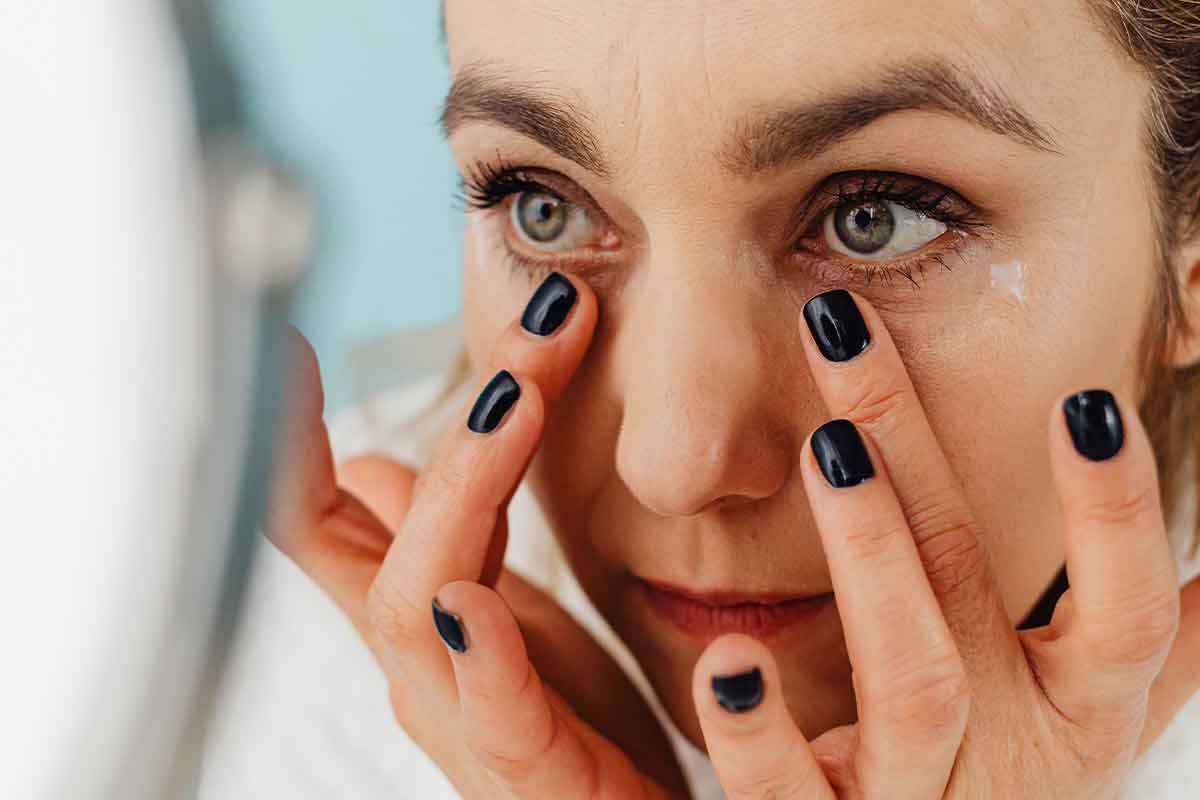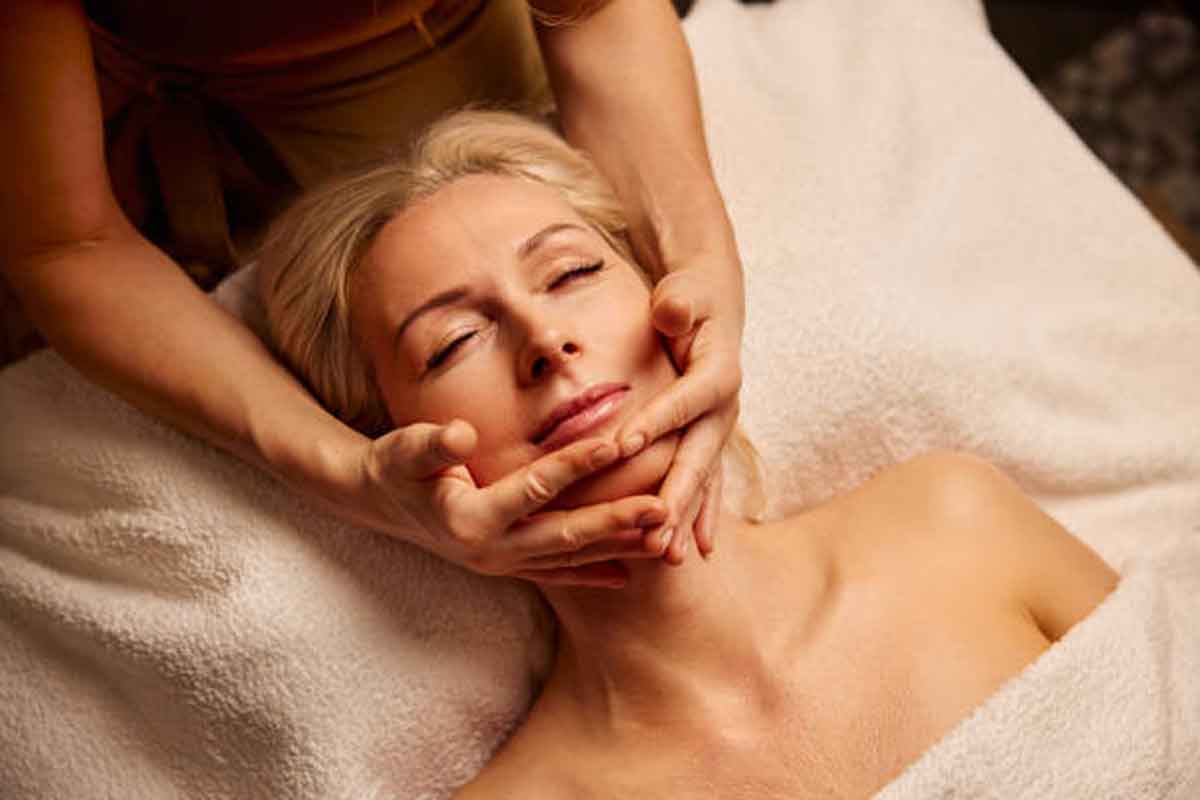
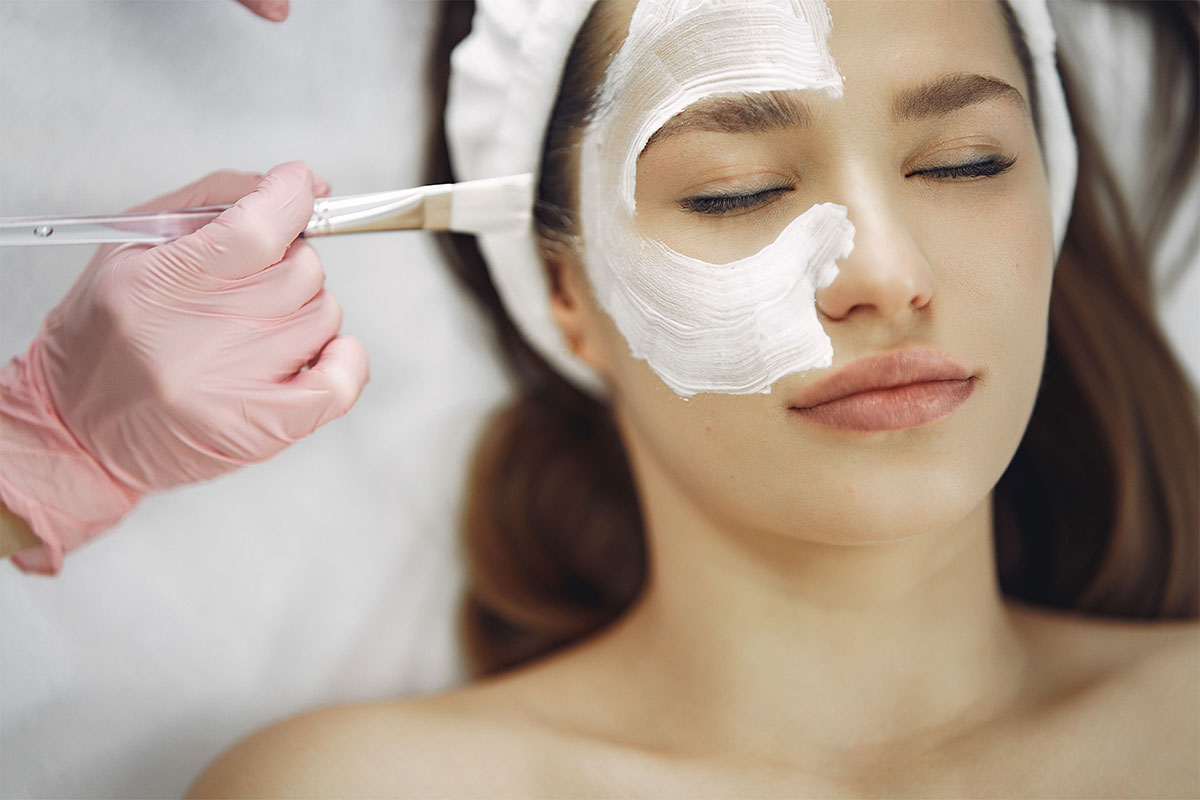
People searching for a whitening skin treatment are usually after one of two quite different things. Some want to fade a specific area of pigmentation: sun damage, melasma, or the marks left behind by acne. Others are looking to lighten their natural overall complexion. Clinical practice in Australia addresses the first. It does not address the second, and this clinic does not provide or promote treatments intended to lighten natural skin tone.
This is general information only and does not replace a consultation. The treatments described carry real risks, including the risk of making pigmentation worse. A consultation is required before any treatment can be considered. This content is intended for adults aged 18 years and over.
Terminology
What Whitening Skin Treatment Actually Means
Whitening, bleaching, and lightening are used interchangeably in product marketing, but they do not mean the same thing in a clinical setting. Bleaching implies an attempt to make the whole complexion lighter than it naturally is. Lightening, in clinical use, means reducing an area of excess pigment so that it more closely matches the surrounding skin.
That distinction matters, because it determines what a practitioner is actually treating. Melasma, post-inflammatory hyperpigmentation left by acne or injury, and sun-induced pigmentation are recognised concerns with recognised approaches. Natural skin colour is not a condition, and it is not something a health practitioner should be offering to correct.
It is worth naming the pressure openly. The global market for complexion-lightening products is driven by social and cultural forces rather than by health need, and that pressure falls most heavily on people from communities where lighter skin has been treated as more desirable. A responsible practice will decline that request and explain why, rather than sell into it.
Worth saying plainly: choosing to treat nothing at all is a legitimate option, and one a good consultation will put on the table alongside every other. Uneven tone is extremely common and is not a medical problem in itself.
The Overview
A Clinical Overview of Skin Lightening Treatments
Approaches to pigmentation fall into a few broad groups. None of them works quickly, most require a course, and pigmentation frequently returns, particularly melasma, which is generally managed rather than cured.
Some of the most effective topical agents for pigmentation act by interfering with melanin production. In Australia those agents are prescription-only medicines. They require assessment and a prescription from an authorised prescriber, they are not available over the counter, and regulations prevent them from being named, priced, or promoted in advertising. That is why you will not find them listed on this page. A prescriber can discuss them with you directly.
Alongside prescribed options sit non-prescription topical skincare, in-clinic procedures such as peels, and, underpinning all of it, daily sun protection. In a country with Australia’s UV levels, sun protection is not an afterthought to pigmentation management. Without it, most other efforts are undermined.
Whitening Skin Treatment Products Sold Illegally
This is the part worth reading even if you take nothing else from this page. The Therapeutic Goods Administration has issued safety alerts about imported creams sold as whitening products that were found to contain far more of a prescription-only ingredient than their labels declared, and which were never assessed or entered on the Australian Register of Therapeutic Goods. Supplying them here is illegal.
The harm is not theoretical. Unsupervised, prolonged use of high-strength lightening agents is associated with exogenous ochronosis, a permanent blue-grey darkening of the skin that is extremely difficult to treat and is the opposite of what the user intended. Other reported effects include thinning of the skin, persistent irritation, and increased sensitivity.
If you have bought a whitening cream from an overseas website or an informal seller, the TGA’s advice is to stop using it and take any remaining product to a pharmacy for disposal. If you have used one and have concerns, speak to a health practitioner.
Peels
How Professional Skin Peels Address Pigmentation
A chemical peel applies an acid solution at a controlled concentration and contact time to accelerate the shedding of the outer layers of skin. Where pigment sits within those layers, removing them can reduce its visible appearance, and some agents also influence how pigment is produced and distributed.
Depth is the variable that matters. Superficial peels work on the outermost layers with shorter recovery; deeper peels reach further and carry correspondingly greater risk. Deeper is not better, and the appropriate depth depends on the type of pigmentation, its depth in the skin, and your skin type.
The most important thing to understand about peels and pigmentation is that a peel can make pigmentation worse. Inflammation is itself a trigger for pigment production, so a peel that is too deep, too frequent, or poorly matched to the skin can produce post-inflammatory hyperpigmentation. That risk is higher in deeper skin tones, which is precisely why skin type assessment and a test patch are not optional formalities.
What to expect. Peels are generally discussed as a course rather than a single appointment, with change developing gradually across sessions. Redness, tightness, dryness and flaking are common afterwards, and the treated skin is more vulnerable to sun for a period.
Aftercare is part of the treatment. Rigorous daily sun protection following a peel is not advisory. Skipping it can undo the result and can worsen the pigmentation you were treating.
Other Options
Other Available Treatments for an Even Skin Tone
No single approach suits every type of pigmentation, and combining approaches is common. None of the options below is intended to lighten natural skin colour; each is directed at reducing a specific area of excess pigment.
Sun Protection
The least glamorous item on the list and the most consequential. Daily broad-spectrum protection, reapplied, plus shade and clothing. It costs the least and does the most for pigmentation of almost any cause.
Topical Skincare
Non-prescription actives can support a pigmentation plan, though effects are modest and slow. Some can irritate, and irritation can worsen pigmentation, so introducing products gradually matters.
In-Clinic Procedures
Resurfacing and needling treatments are sometimes used for pigmentation. Each carries its own risks, including the same risk of post-inflammatory pigmentation, and suitability depends heavily on skin type.
Light-based and laser devices are also used for some pigmentation. They are not appropriate for every skin type, and the risk of burns and of pigment change is meaningfully higher in deeper or recently tanned skin. Any clinic proposing a device treatment should be assessing your skin type carefully and discussing a test patch before proceeding.
You can read more about the treatments offered here on our Skin Needling and Peels page, or across the wider range on our Skin Treatments Adelaide page.
Risks
Material Risks You Should Understand
The list below is general and not exhaustive. The risks that apply to you depend on your skin type, the type of pigmentation, and your history, and they are discussed in full at consultation before consent rather than after it.
Pigmentation getting worse. Post-inflammatory hyperpigmentation is the central risk of treating pigment with anything that causes inflammation. It is more likely in deeper skin tones and can take months to settle, if it settles.
Common and usually temporary. Redness, stinging or burning during treatment, tightness, dryness, flaking, and heightened sun sensitivity for a period afterwards.
Less common but more significant. Blistering, burns, infection, loss of pigment leaving pale patches, prolonged redness, and scarring. Some changes may be lasting.
Recurrence and commitment. Melasma in particular tends to return, and management is often ongoing rather than a single course. Ask for the total cost of a full course, and what maintenance would involve, before you commit.
The possibility of no change. Some pigmentation responds poorly to treatment, and some people complete a course with no meaningful difference. That is a genuine outcome to weigh up.
Who May Not Be Suitable
Treatments of this kind are commonly not recommended during pregnancy or breastfeeding, or for people with active infection or inflammation in the area, recent sun exposure or tanning, a history of keloid or hypertrophic scarring, certain autoimmune or inflammatory skin conditions, or recent use of particular medications including oral acne treatments.
Some medications increase sensitivity to light, which is directly relevant. Bring a complete list of your medications and supplements to your consultation. Only a registered health practitioner who has assessed you individually can determine whether any treatment is appropriate for you.
The Consultation
The Importance of a Professional Consultation for Safety
Pigmentation is one of the areas where assessment matters most, because not all marks on the skin are the same thing. Some pigmented lesions need medical evaluation to exclude skin cancer, which in Australia is not a remote consideration. Treating a lesion cosmetically without knowing what it is can delay a diagnosis that matters.
A proper consultation should establish what type of pigmentation you have, assess your skin type, review your history and medications, and set out what is realistic, including the possibility that management rather than resolution is the honest goal. If a clinic offers you a treatment without that assessment, treat it as a warning sign.
What type of pigmentation is this, and does anything here need checking by a doctor first?
Given my skin type, what is my risk of the treatment making the pigmentation worse, and will we test patch?
How many sessions, and what is the total cost, including any ongoing maintenance?
What would you advise if I did nothing, and would a referral to a GP or dermatologist serve me better?
There is no obligation to proceed and no clinical reason to decide on the day.
Important Information
This content provides general information only and does not constitute medical advice, a recommendation, or a claim of therapeutic effect, and it does not replace a consultation. This clinic does not provide or promote treatments intended to lighten natural skin tone. Prescription-only medicines are not advertised, named, or priced on this website, in line with Australian requirements. Individual assessment is required to determine suitability, risks, recovery, number of sessions, and costs. All procedures carry risks, including the risk of worsening pigmentation. Outcomes vary between individuals and are not guaranteed, and any result experienced by one person does not necessarily reflect what others may experience. This content is intended for adults aged 18 years and over.
Practitioner: Suzie Bannon, RN (NMW0000965450), Registered Nurse (Division 1), Midwife, and Cosmetic Nurse with over 30 years of experience. Aesthetic Nurse Suzie clinic, Adelaide SA.