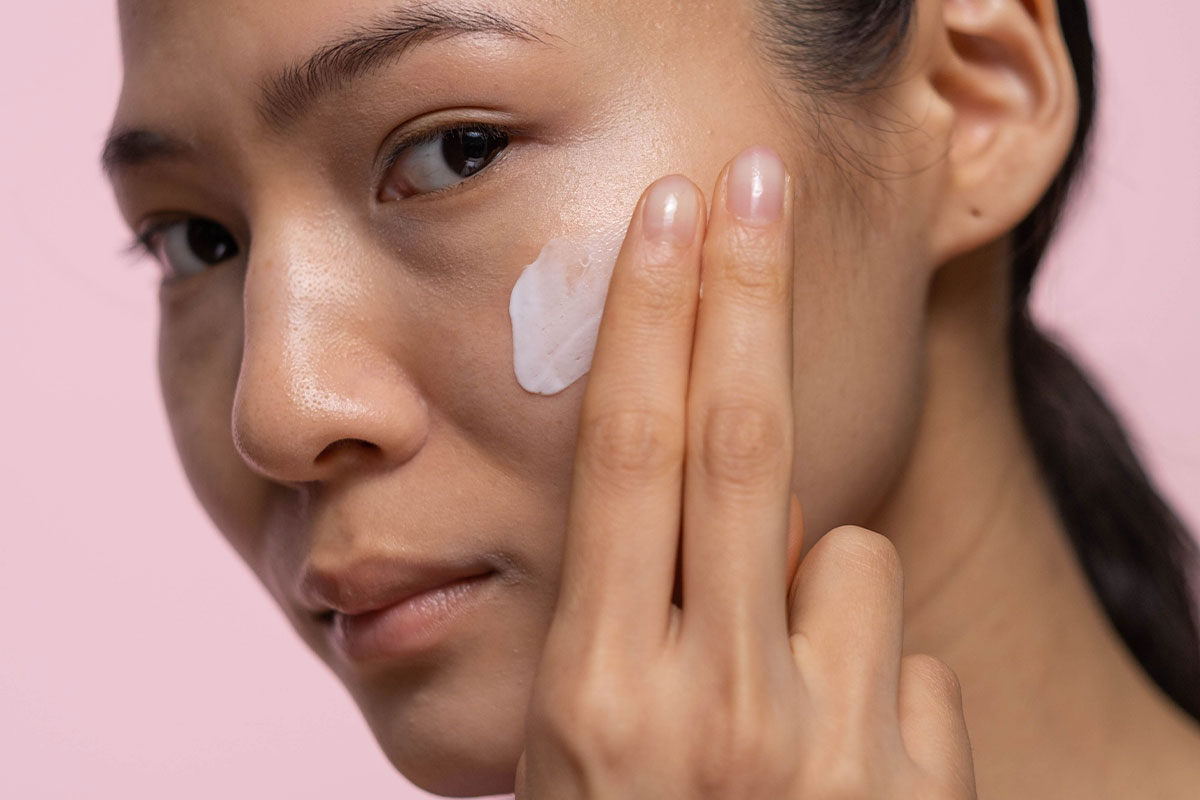
Skin varies naturally in tone, texture and how evenly it reflects light. That variation is normal, not a problem. Even so, some people would prefer their skin to look more even or clearer. That is a reasonable preference to explore. The approach should match what is actually happening in your skin, rather than come from a menu.
One clarification before anything else. Brightening in this guide does not mean lightening your natural skin colour. It refers to evenness of tone, surface texture and how the skin reflects light. Your natural skin tone does not need to change. Skin whitening is a different subject, and our article on skin whitening treatment options in Australia covers it separately. This is general information only and does not replace a consultation. You need a consultation before any treatment, and this content is for adults 18 years and over.
The Approach
Clinical Approaches to Improving Skin Brightness
When skin looks less bright than a person would like, one of a few causes is usually at work. A build up of dead cells on the surface scatters light instead of reflecting it. Uneven pigmentation, from sun exposure, past inflammation or hormonal changes, breaks up the tone. Surface texture, such as fine lines, enlarged pores or acne scarring, casts small shadows. Dehydration and a weakened skin barrier reduce the smoothness that gives skin its light reflection. Redness and visible vessels add another layer of unevenness.
Each cause calls for a different approach, and no single treatment to brighten skin addresses all of them. Peels work mainly on the surface and on pigment in the upper layers. Practitioners use LED light therapy for general skin quality and to support the skin between other treatments. Skin needling targets texture and how the skin renews itself. Sun protection stops the main driver of uneven pigment from undoing everything else.
This is why a consultation comes first. The right sequence for one person is the wrong one for another. Some causes of uneven tone are medical rather than cosmetic.
See a doctor first. Ask your GP to check any pigmentation that is new, changing, irregular, itchy or bleeding. Do the same for pigmentation that appeared with a medication, pregnancy or a hormonal change. Redness that flushes, stings or burns also needs a medical opinion first. Cosmetic treatment of an undiagnosed skin change is never the right first step.
Peels
Skin Peels for Brighter Skin
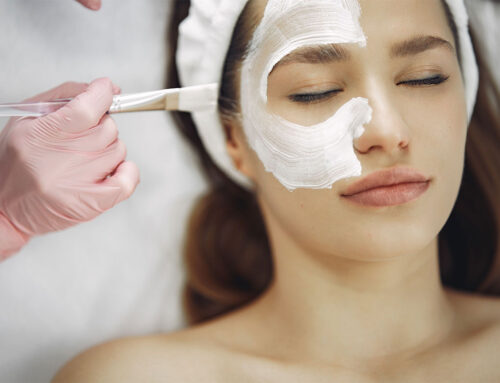
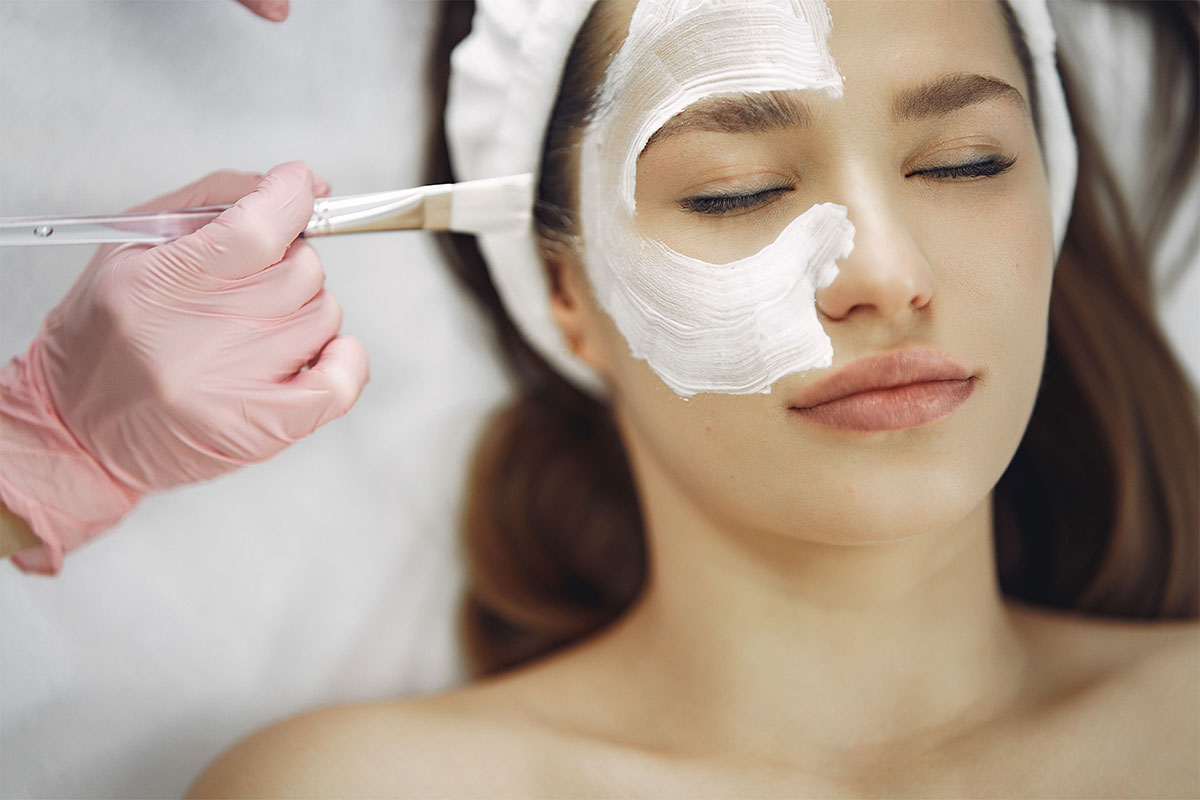
A skin peel applies a controlled solution to the skin. The solution loosens and removes the outermost layers of dead cells. Most peels use an acid, such as an alpha hydroxy, beta hydroxy or lipo-hydroxy acid. As those cells shed, the fresher skin beneath tends to reflect light more evenly. That is where the association with brightness comes from. Some peel formulations also act on pigment in the upper layers of the skin.
Peels range from light surface treatments to deeper resurfacing. Superficial peels involve the least recovery and the most modest effect. Practitioners usually plan them as a course, spaced several weeks apart. Deeper peels do more and cost more in recovery. Expect days of visible peeling, redness and sensitivity, and some people need time away from work or social plans. The right strength depends on your skin type, your concern and how much recovery you can accommodate.
Peels carry risk. Expect redness, tightness, flaking or visible peeling, plus increased sun sensitivity for a period afterwards. Less commonly, peels can cause blistering, infection or prolonged redness. They can also darken pigmentation rather than even it out. This risk rises in deeper skin tones and when people skip sun protection. Practitioners generally avoid peeling skin with active infection, open wounds or recent isotretinoin use. Many start with a conservative first treatment.
Our skin peels page describes the peel systems the clinic uses. Your consultation decides which peel, at what strength and how many sessions. That decision comes after assessment, not before it.
Light Therapy
LED Light Therapy Explained
LED light therapy exposes the skin to specific wavelengths of low-level light for a set period. Practitioners choose different wavelengths for different purposes. The light does not heat, cut or peel the skin, and there is usually little visible recovery. That is why clinics often use it on its own or to support the skin after other treatments.
Keep your expectations for LED modest. Research suggests some wavelengths may support skin quality and help the skin settle after other procedures. On its own, LED does not treat established pigmentation, and it does not resurface the skin. Any contribution to brightness is subtle. It builds over a course of sessions and fades if sessions stop. Some people notice no meaningful change.
Risks are generally lower than for peels or needling, but they are not zero. Temporary warmth, redness or sensitivity can occur. You must wear eye protection during treatment. Practitioners generally avoid LED for people taking medications that increase light sensitivity. The same applies to certain medical conditions and to anyone with a history of light-triggered skin reactions. Your consultation confirms suitability.
You can read more on our LED Light Therapy page.
Skin Needling
How Skin Needling May Improve Tone
Skin needling also goes by the names microneedling and collagen induction therapy. A device with fine sterile needles creates many controlled micro-channels in the skin. The skin responds to that controlled injury by repairing itself. Over time, that repair process may support collagen production and renewal.
Its relationship to brightness is indirect. Needling mainly targets texture: fine lines, enlarged pores and acne scarring. Smoother texture casts fewer small shadows and reflects light more evenly. Skin can then read as clearer or more even. Needling is not a first-line treatment to brighten skin where the concern is pigment alone. It can also worsen some types of pigmentation if the skin or the timing is wrong.
Practitioners usually discuss a course of sessions, spaced roughly four to six weeks apart. Any change is gradual and develops over months rather than days. Some people complete a course and notice little difference.
Skin needling penetrates the skin and carries real risks. Expect redness, swelling and a sunburn-like sensation for one to three days. Pinpoint bleeding, dryness and flaking are also common. Less commonly, it can cause infection, prolonged redness or post-inflammatory hyperpigmentation. Cold sore reactivation and scarring can also occur, particularly where technique or aftercare is poor. Practitioners generally avoid needling over active acne, eczema or infection. They also avoid it for people with keloid scarring or bleeding disorders, after recent isotretinoin use, and during pregnancy.
Our Skin Needling and Peels page has the details.
The Foundation
The Importance of Sun Protection
Ultraviolet exposure is the single largest driver of uneven pigmentation. It also drives many of the surface changes that make skin look less even. In South Australia, the UV index is high for much of the year. No clinical treatment to brighten skin holds without daily sun protection. Several of the treatments above also make the skin more sensitive to sun for a period afterwards.
Daily protection means a broad-spectrum sunscreen of SPF 30 or higher. Apply it each morning and reapply through the day when you are outdoors. Add a hat, shade and sunglasses. This is standard Australian public health advice rather than a clinic sales pitch. It is also the one part of any plan that costs the least and matters most.
Sun protection is also the plain answer to a common question. If you will not wear sunscreen daily, most of the treatments above are a poor use of money. The pigment they address will return.
Skincare at home. Consistent cleansing, a suitable moisturiser and daily sunscreen do more for evenness of tone than any single treatment. A practitioner may also discuss topical ingredients with you where appropriate. These are an adjunct rather than a substitute, and some do not suit every skin.
Expectations and Consultation
Realistic Expectations, and What to Ask
Any change from these treatments is gradual and subtle. No procedure brightens skin in a single visit and keeps it that way. A clinic implying otherwise is describing an outcome nobody can promise. Individual responses vary considerably. The result one person experiences does not necessarily reflect what another will.
You can also decline a treatment to brighten skin altogether. Variation in skin tone is normal. Doing nothing beyond sun protection is a reasonable choice. A good consultation will put that option on the table alongside the others.
A proper consultation examines your skin and asks about your history, medications and sun habits. It identifies which of the causes above applies to you. It also rules out anything that should see a doctor first. You should hear about risks, recovery and cost before you consent. There is no obligation to proceed and no clinical reason to decide on the day.
Who May Not Be Suitable
Several factors affect suitability across all three treatments. They include pregnancy and breastfeeding, active skin infection or inflammation, and a history of keloid scarring. Recent isotretinoin use, medications that increase sun or light sensitivity, and some autoimmune conditions also matter. Bring a complete list of your medications and supplements to your consultation. Only a registered health practitioner who has assessed you individually can determine whether any treatment suits you.
Questions Worth Asking Before You Decide
What is actually causing the unevenness in my skin, and which treatment targets that cause?
What are your registration details, and what happens if I have a reaction or complication?
How many sessions, what recovery should I plan for, and what will a full course cost in total?
Is there anything on my skin that a GP or dermatologist should check before we start?
You can explore the full range of options on our Skin Treatments Adelaide page. The pages linked above cover each treatment in more detail.